A chilly Fredericton evening, a clear sky, and the first breath of wood smoke can make any backyard feel like a cottage getaway. That is usually when the big question appears for many homeowners, property managers, and developers in New Brunswick. The choice comes down to an outdoor fireplace vs fire pit and which one fits the space, budget, and lifestyle.
Both options count as backyard fire features and both can turn a patio into a place people actually use once the temperature drops. An outdoor fireplace feels more like an outdoor living room, with a strong focal point and a sense of structure. A fire pit is closer to a classic campfire, casual and social, with friends sitting in a circle and passing around marshmallows. The decision is not only about style, though. It also involves cost, local rules, outdoor heating options, safety, and how each choice will work for the way people like to host.
Atlantic Hardscape and Concrete has spent 15+ years helping Fredericton area homeowners and property owners add custom fire pits and full hardscape projects to their yards. This guide breaks down everything needed to compare an outdoor fireplace vs fire pit from every angle. It explains what each one is, how they feel to sit around, how much heat they give off, what permits and materials to think about, and how much they usually cost. By the end, it becomes much easier to see which fire feature will turn a backyard into a comfortable gathering place for most of the year.
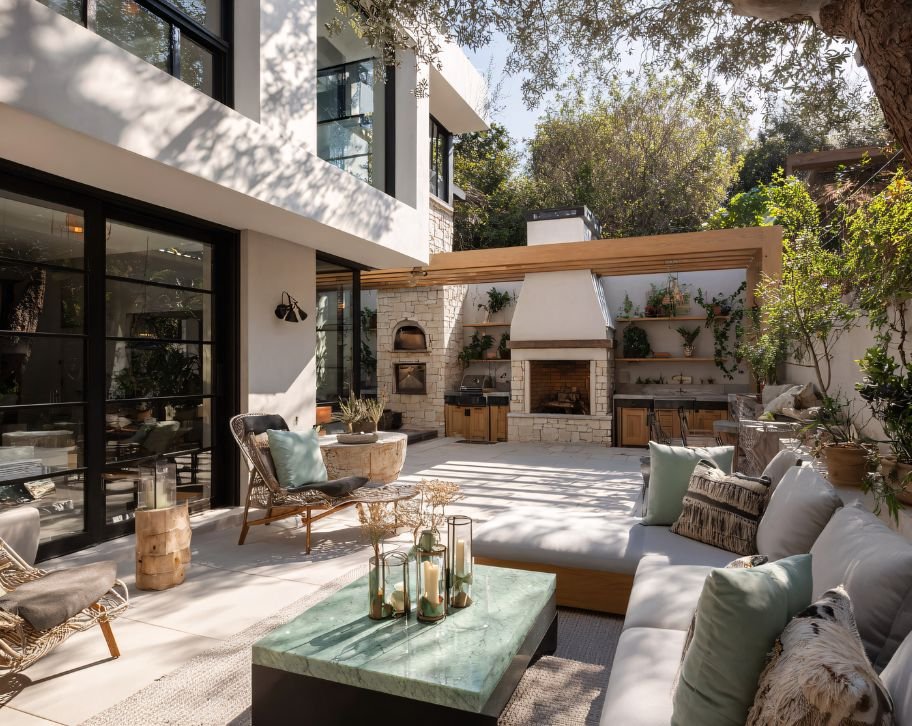
An outdoor fireplace is a built structure, usually permanent, that looks much like an indoor fireplace moved outside. It has three walls that form a firebox and a chimney above that directs smoke straight upward. Guests sit facing this feature, just like a living room sofa faces an indoor hearth, which makes the fireplace the main visual anchor for the whole patio.
Most outdoor fireplace design work uses durable, heat‑resistant materials such as natural stone, brick, or concrete block with a stone veneer on the front. In a Fredericton climate, these materials stand up well to freeze‑and‑thaw cycles and regular use. The fireplace can:
Burn real wood for that classic crackle and aroma
Run on natural gas or propane for cleaner flames and quick on/off control
Mantels, raised hearths, and flanking wood storage can be added to tie the look into nearby walls, steps, or an outdoor kitchen.
Because it is tall and solid, an outdoor fireplace does more than provide flames. It shapes the entire seating area and instantly gives the space a more refined, built‑in feel. Many homeowners choose this route when they want backyard fireplace ideas that feel like an extension of the home rather than a separate campfire area. For smaller groups, quiet evenings, and properties that need a strong architectural focal point, a fireplace delivers a calm, elegant atmosphere.
An outdoor fire pit is a more open feature, much closer to a traditional campfire than a formal fireplace. It can be a sunken pit or a raised structure, usually round or square, with low walls that keep the fire contained while leaving the top completely open. There is no chimney above it, so smoke drifts away naturally, guided by the breeze.
Builders often use stone, concrete, or metal rings to shape a fire pit. Some are custom built in place from block and veneer stone, while others are portable prefabricated bowls or tables that can be moved around a patio. Guests sit all the way around the fire, facing each other as much as they face the flames. That layout is a big part of why fire pits feel so relaxed and social. They are also popular because they offer flexible patio fire pit ideas at a lower starting cost than most fireplaces.
When people compare an outdoor fireplace vs fire pit, the first difference they notice is the shape. A fireplace is tall, with three solid sides and a chimney, so it throws heat and light mainly toward people seated in front of it. A fire pit is low and open, so it sends heat in every direction and welcomes a full circle of chairs. This leads to two very different types of outdoor gatherings, even before cost or fuel type enters the picture.
In simple terms:
Outdoor fireplace
Tall structure with chimney and three enclosed sides
Directs smoke upward and heat forward
Works well as a focal point for an outdoor living room
Often feels more formal and architectural
Fire pit
Low, open feature with seating around all sides
Sends heat in every direction
Feels casual and campfire‑like
Encourages group conversation and shared cooking
A fireplace tends to suit property owners who think of their yard as an outdoor living room. It supports more formal outdoor fireplace design ideas such as built‑in seating walls, outdoor TVs above the mantel, or full masonry surrounds that match the home. The structure protects the flame from wind and directs smoke upward, which helps with comfort on cool, breezy evenings. In a cooler province like New Brunswick, those outdoor fireplace benefits make a real difference in how long the space stays comfortable into the shoulder seasons.
A fire pit, by contrast, invites people to lean in, roast food, and talk across the circle. It is the classic choice for casual backyard fire features where the goal is connection, laughter, and maybe a few sticky marshmallow fingers. The design sits low and central instead of tall and off to one side, which changes traffic flow on the patio and can take up more floor space once chairs are added around the ring.
Cost and flexibility also set these options apart. Built fireplaces normally sit at the higher end of the price range, especially custom stone versions, while even the best outdoor fire pit is often more affordable. Fire pits also come in many portable models that can be picked up or replaced later, which is helpful for properties that might see future changes. The next questions dig deeper into each feature so the differences are clear.
In the context of this comparison, an outdoor fireplace is a masonry or prefabricated unit that contains fire on three sides and vents smoke through a chimney system. The tall back wall and chimney draw smoke up and away from faces, which is a welcome feature on patios that sit near doors, windows, or covered seating areas. The firebox can be sized for standard firewood or fitted with gas burners and realistic ceramic logs or glass media.
Common construction materials include:
Brick
Natural stone
Stone veneer over concrete block
Structural concrete
These are chosen because they handle repeated high heat and cold weather without damage when designed and installed correctly. Many backyard fireplace ideas also add ledges or built‑in benches beside the structure so wood storage, planters, or extra seating can fit into the same footprint.
Because of its scale and permanence, an outdoor fireplace often becomes the main architectural statement in the yard. The style can be rustic, modern, or classic, but the end result is almost always a more polished, reserved atmosphere compared with an open fire pit. This suits homeowners and commercial properties that want a calm, lounge‑like setting where people linger with a drink or a book while staying warm.
An outdoor fire pit is a purposely built container for an open flame that people can sit around on all sides. It may be circular, square, or rectangular, and it can be either flush with the ground or raised slightly on a base. Its walls can be made from concrete, stone, or metal, yet the fire sits in the centre with nothing above it to form a chimney.
Because there is no enclosed firebox, smoke moves in whatever direction the wind happens to blow. That can mean a little chair shuffling on breezy nights, yet it also keeps the feel close to a campfire. Many people see fire pits as the heart of their outdoor living fire features since they act as a shared hub where everyone faces each other. The 360‑degree access works well for larger families or friend groups who want both warmth and interaction without a formal setup.
When heat is the main concern, especially in a cooler climate like Fredericton, an outdoor fireplace usually wins. The enclosed firebox and heavy materials such as stone or brick warm up and then radiate that heat forward, a bit like an oven door left open. Since the fire is tucked inside the structure, wind has less effect on the flame, and guests sitting in front feel a steady band of warmth.
A fire pit does send warmth in every direction, which sounds appealing, yet a lot of that heat escapes straight up into the open air. Breezy conditions can push the flame to one side and make one chair feel very warm while another stays cool. People can always move closer to the edge, yet the overall efficiency is lower than an enclosed fireplace.
If maximum outdoor heating is a priority, especially for:
Early spring and late fall evenings
Exposed patios that catch the wind
Smaller seating areas close to the house
then a well‑built outdoor fireplace generally performs better.
The better choice for entertaining depends on the kind of gatherings a person imagines.
Fire pits shine when the plan involves:
Larger, relaxed groups
Casual conversation and laughter
Roasting marshmallows, hot dogs, or skewers
Kids and adults moving around the circle
The circular seating keeps everyone at the same level and facing each other, which encourages conversation. The mood feels informal and easy‑going.
Outdoor fireplaces, in contrast, tend to fit:
Smaller groups or couples
Quiet talks and reading by the fire
Evenings where guests prefer a lounge‑style setting
Situations where a refined focal point suits the property
Chairs and sofas line up facing the fire, creating a focused seating area much like a living room. The directed heat also helps keep everyone in those front seats warm on cool nights.
For some homeowners, a custom fire pit designed by Atlantic Hardscape and Concrete beside a dining or lounge area gives the best blend of casual fun and comfort. For others, a single grand fireplace at the end of a patio feels exactly right. Matching the fire feature to the usual group size and social style is the key step.
Outdoor fireplaces are usually seen as safer because they keep the flames and most embers inside a closed firebox. The tall chimney pulls smoke and stray sparks upward, lowering the chance that embers drift across dry grass, mulch, or nearby furniture. Many units also include spark screens or doors that add another barrier between the fire and the seating area.
Fire pits, on the other hand, leave the flame fully open. That openness is part of their charm, yet it raises the risk of sparks jumping out, especially when wood pops or when wind picks up suddenly. Smoke can blow straight into faces, which can tempt guests to move chairs closer to surrounding shrubs or structures where clearance is too tight. Because of this, fire pits demand closer supervision at all times and very careful placement in the yard.
Both styles must follow local fire rules and common‑sense safety habits. In Fredericton and nearby communities, that means:
Keeping the feature well away from buildings and fences
Watching weather conditions and wind direction
Keeping a hose, sand, or extinguisher within reach
With proper design, clearances, and regular attention, either choice can be used responsibly.
Most outdoor fireplaces are not designed with cooking in mind. The fire sits back inside the firebox, and the opening is often higher than a typical campfire, so it is awkward and sometimes unsafe to hold food close to the flames. Soot buildup and uneven heat also make it impractical for anything more than the odd marshmallow on a long roasting stick.
Fire pits are much better suited for casual cooking. Their lower, open design makes it easy to hold skewers at just the right distance or to rest a simple grill grate over the top. Many families choose a fire pit specifically because roasting hot dogs, marshmallows, and other campfire treats is part of the fun. For anyone who sees food as part of their outdoor entertaining plans, a fire pit usually provides a more enjoyable, hands‑on experience.
Permit rules are set by each municipality, so there is no single answer that fits every property. In the City of Fredericton, it is important to check current bylaws and fire department guidelines before adding any permanent outdoor fire feature. Wood‑burning units may face different rules than gas or propane models, and open‑air burning can be restricted during certain times or in specific zones.
Permanent masonry fireplaces and built‑in gas features often require permits and inspections to confirm clearances, venting, and fuel connections are safe. Portable fire pits can also be affected by open‑fire rules, even if no building permit is needed. The safest path is to:
Review city bylaws about outdoor burning
Confirm how they apply to wood, gas, and propane units
Speak with city staff or the fire department if anything is unclear
Atlantic Hardscape and Concrete works regularly with Fredericton area rules and can help clients understand how those bylaws apply to their yard. Partnering with a contractor who knows local expectations takes much of the guesswork out of planning and approval.
In most cases, a fire pit is the more budget‑friendly option.
Approximate ranges for professionally installed fire pits:
Built‑in fire pit: about $1,500–$5,000
Custom designs with high‑end stone or gas systems: $6,000+
Portable store‑bought models: from a few hundred dollars, with less permanence
Outdoor fireplaces sit on the higher end of the price scale:
Prefabricated modular fireplace units: start around $2,000 and can reach about $8,400 with finishes and extras
Fully custom masonry fireplaces built on site: often $9,000–$24,000+, depending on size, materials, and details such as mantels or side walls
Both styles can boost property appeal and perceived value, especially when paired with a quality patio or outdoor kitchen. A well executed fireplace tends to add the most value because of its scale and permanence, yet a well‑designed fire pit created by a specialist like Atlantic Hardscape and Concrete also makes a strong impact.
For outdoor fireplaces, builders often start with structural concrete block or masonry and then finish the outside with materials that match the home. Popular choices include:
Brick – classic look, works well with many house styles
Natural stone – durable, visually rich, and well suited to New Brunswick weather
Stone veneer – gives the look of full‑depth stone with less weight
Architectural concrete – clean lines that suit modern designs
Some specific finish materials:
Granite – known for strength, heat resistance, and low upkeep; available in many patterns for both modern and rustic styles
Marble – brings a more polished, high‑end appearance, but needs regular sealing and care
Travertine – warm, earthy tones that suit classic or Mediterranean‑inspired yards and also benefit from sealing
Simple brick remains a timeless pick that works on many home styles, from historic to contemporary.
For fire pits, common materials include:
Poured concrete
Concrete block faced with stone veneer
Loose natural stone
Metal bowls made from steel or cast iron
In New Brunswick’s climate, frost‑resistant and heat‑resistant materials are important so the feature lasts through many seasons. A professional installer such as Atlantic Hardscape and Concrete can walk homeowners through options that suit both local weather and the look they want. Whatever the choice, it is wise to stick with products rated for high temperatures and outdoor use.
A common guideline is to keep any outdoor fire feature at least three metres, or about ten feet, away from buildings and other structures. That spacing should cover:
The house itself
Garages or sheds
Fences and pergolas
The same clearance should also apply to hedges, overhanging branches, and other plants that could catch fire if sparks travel farther than expected.
Vertical clearance matters as well. There should be at least two metres of open space above the fire area with no roofs, tree limbs, or balconies in that zone. Because outdoor fireplaces manage smoke through a chimney and contain the fire more tightly, local codes sometimes allow them to sit a little closer to a wall. Fire pits, however, usually need that full three‑metre buffer, and sometimes more, because the flame is open and lower to the ground.
Fredericton bylaws may set specific minimum distances, so local rules should always be checked before choosing a spot. Working with experienced installers helps confirm that the layout respects both safety and code.
Choosing between an outdoor fireplace vs fire pit is less about which option is better on paper and more about which one fits a specific property and lifestyle. Fireplaces bring strong architectural presence, focused warmth, and a calm, refined feel that suits outdoor living areas set up as true extensions of the home. Fire pits favour casual evenings, shared cooking, and flexible seating where everyone gathers in a circle and the mood stays relaxed.
Budget, bylaw rules, yard size, and maintenance comfort all play into the final decision, as do long‑term plans for the property. A commercial manager might lean toward a striking fireplace that impresses tenants and guests, while a young family may be happier with a custom fire pit that works for s’mores nights. Either way, thoughtful placement, quality materials, and safe design turn a simple flame into a favourite gathering spot.
Atlantic Hardscape and Concrete helps Fredericton and area homeowners sort through these choices with careful design advice, detailed 3D plans, and skilled construction of custom fire pits and surrounding hardscape work. For anyone ready to explore patio fire pit ideas, compare firepit vs fireplace options on a real site, or talk through the best layout for a new backyard, a conversation with their team is a smart next step.
GET STARTED
Your dream space is within reach as we work together from detailed 3-D designs to the final custom build. Our process is both professional and exciting, and we look forward to taking this journey with you.
Contact
34 Jackstraw Court, Fredericton, NB, Canada, New Brunswick
