You are standing at your front door, staring down at a concrete walkway that’s seen better days. Hairline cracks spider across the surface, edges are chipping away, and that dull grey has lost whatever charm it once had. The thought of jackhammering everything out and starting from scratch makes your wallet, and your back, ache.
Here’s the good news: you don’t always need to demolish everything. You can absolutely install pavers over your existing concrete walkway, transforming that tired surface into an attractive, durable pathway with genuine curb appeal. But success depends entirely on the condition of your current concrete base.
Installing pavers over concrete, often called a “paver overlay”, has become increasingly popular among New Brunswick homeowners who want the high-end aesthetic of natural stone or brick without the expense and disruption of full removal. Instead of treating your old concrete as waste, you’re using it as a stable foundation. It’s a smart approach that can save thousands of dollars and weeks of construction time.
However, this isn’t a one-size-fits-all solution. New Brunswick’s aggressive freeze-thaw cycles mean your existing concrete needs to meet specific structural requirements before it can support pavers. Proper drainage becomes critical with an overlay system, and installation must account for our local climate. Get these factors wrong, and you’ll end up with shifting pavers and tripping hazards, potentially worse than what you started with.
This article walks you through the critical factors that determine whether your walkway is a good overlay candidate, the installation methods that produce lasting results, and what you need to know about maintenance in Atlantic Canada’s demanding climate. With 15 years of experience helping Fredericton homeowners convert aging concrete into beautiful paver walkways, Atlantic Hardscape and Concrete knows what works, and what doesn’t, when it comes to overlay installations in our region.
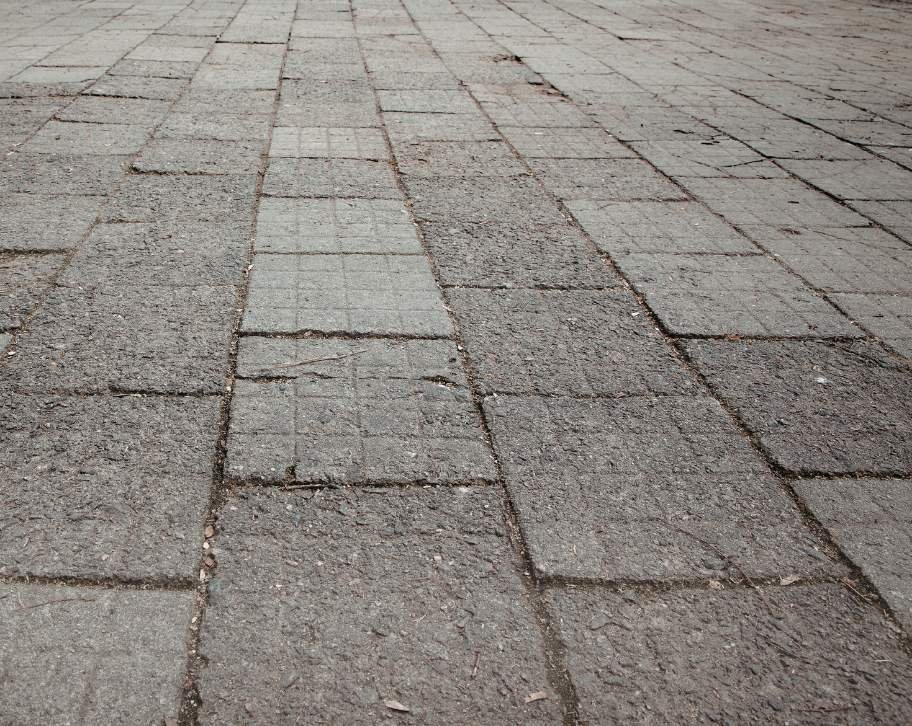
The foundation of any successful paver overlay project starts with one fundamental question: is your existing concrete up to the task? Think of your current walkway as the base layer of a cake. If that bottom layer is crumbling or sinking, no amount of beautiful frosting on top will fix the underlying problem. Your concrete needs to be structurally sound, stable, and capable of serving as a reliable platform for the new paver surface.
So what does “structurally sound” actually mean? Minor hairline cracks are perfectly acceptable. These thin surface cracks don’t indicate serious structural problems and won’t prevent a successful overlay. Similarly, slight surface wear from years of foot traffic and weather exposure is normal and expected. What matters is that the concrete remains stable in its current position without significant movement or deterioration.
On the flip side, certain conditions make your concrete a poor candidate for overlay work:
Large fissures that you can fit your finger into signal deeper problems
Sunken sections where one part of the walkway has dropped lower than adjacent areas indicate soil settlement issues beneath the concrete
Heaving areas where sections have pushed upward suggest frost action or tree root interference
Crumbling edges that break apart when you press on them show advanced deterioration
Significant vertical displacement between sections, where you can feel a noticeable “step” as you walk, creates both safety hazards and installation challenges
Here’s the critical point many homeowners miss: covering problem concrete with pavers doesn’t fix the underlying issue. If your concrete is sinking because the soil beneath it is unstable, adding pavers on top simply transfers that problem to your new surface. Within months, you’ll see the same settling pattern reflected in your paver walkway. That’s why Atlantic Hardscape and Concrete conducts thorough evaluations of existing concrete before recommending an overlay approach. Sometimes the honest answer is that you need to address the base problem first, even if that’s not what you hoped to hear.
Drainage represents another non-negotiable requirement. Your existing concrete must have proper slope, at minimum, one inch of drop for every eight feet of length, directing water away from your home’s foundation. When you install pavers over concrete, you’re creating a layered system. If water pools on that concrete base because it lacks proper pitch, moisture becomes trapped between the concrete and your new pavers. In Fredericton’s winter climate, that trapped water freezes, expands, and causes the pavers to heave upward. Come spring, you’re left with an uneven, potentially dangerous walking surface.
The height consideration often catches homeowners by surprise. Standard pavers range from 1.25 inches to 2.375 inches thick, and you’ll need to add a bedding layer beneath them. This means your finished walkway will sit two to three inches higher than your current concrete surface. That might not sound like much, but it can create real problems:
Will your storm door still open properly, or will it now scrape against the raised walkway?
Does this new height create an awkward step up from your driveway?
Will it block the “weep holes” in your brick siding that allow moisture to escape?
These transitions need careful planning before installation begins.
In Fredericton’s climate, where freeze-thaw cycles happen repeatedly throughout winter and early spring, starting with compromised concrete is essentially guaranteeing future problems. The ground expands and contracts with temperature changes. Concrete that’s already showing signs of movement will continue moving, and your pavers will move right along with it. This creates shifting, safety hazards, and premature failure of your new surface. Professional assessment isn’t just a nice-to-have, it’s essential for determining whether overlay installation makes sense for your specific situation, or whether addressing underlying issues first will save you money and frustration in the long run.
Once you’ve confirmed your concrete base is suitable for an overlay, the installation method becomes the determining factor in whether your project succeeds or fails. Professional installers use two primary approaches, each suited to different applications, traffic patterns, and site-specific conditions. Understanding these methods helps you appreciate why proper installation matters so much in Atlantic Canada’s demanding climate.
The sand-set method is the most common approach for residential walkways in Fredericton. This technique involves spreading a thin bed of coarse, washed concrete sand, typically between half an inch and one inch thick, directly over your prepared concrete surface. Before that sand goes down, however, critical preparatory work must happen.
Installers drill “weep holes” through the concrete at strategic intervals. These holes, usually half an inch to one inch in diameter and filled with pea gravel, serve as escape routes for moisture. Without them, water becomes trapped between the concrete and pavers with nowhere to go. When winter arrives and that water freezes, it expands with tremendous force, pushing your pavers upward and creating the heaving problems we mentioned earlier.
A geotextile fabric layer goes down between the concrete and sand. This fabric serves as a barrier that prevents the sand from washing out through any existing cracks in your concrete over time. Think of it as insurance against gradual erosion of your bedding layer.
The sand-set method offers a key advantage in New Brunswick’s climate: flexibility. Because the pavers aren’t rigidly attached to the concrete, they can shift slightly as the ground expands and contracts with temperature changes. This flexibility acts as a buffer, accommodating movement without causing widespread cracking or failure. Individual pavers work together, absorbing stress rather than transferring it through a rigid surface.
The mortar or adhesive method takes a different approach, bonding pavers directly to the clean concrete surface using professional-grade outdoor thin-set or masonry adhesive. This technique is preferred for high-traffic commercial areas, steps, or situations where height constraints are critical. By using thinner “remodeling pavers”, approximately 30 millimetres thick, installers can minimize the elevation increase of the finished surface. This method creates a rigid, solid-feeling walkway that some property owners prefer, especially for formal entrances or areas that see heavy foot traffic.
However, the mortar-set approach demands meticulous attention to joint sealing. Because the system is rigid, any water that penetrates the joints and reaches the mortar bed can cause serious problems. If that water freezes, it can cause the pavers to delaminate, literally popping them off the concrete base. This makes the mortar method less forgiving in freeze-thaw climates, though it remains an excellent choice when properly executed with comprehensive sealing protocols.
Regardless of which base method is used, perimeter containment is absolutely critical. Because your pavers sit elevated above the original concrete, the edges are exposed and vulnerable to spreading outward over time. Professional installers address this by mortaring the border pavers directly to the concrete edge using high-strength masonry adhesive. This creates a structural “curb” that holds the interior field of pavers in place. Alternatively, heavy-duty plastic or aluminum edge restraints can be anchored into the ground surrounding the walkway, though mortaring the perimeter pavers generally provides superior long-term stability for overlay installations.
The finishing process involves sweeping polymeric sand into the joints between pavers. Unlike regular sand, polymeric sand contains specialized binders that activate when misted with water. As it cures, it hardens to a rubber-like consistency that serves three vital functions:
It prevents weed growth between pavers
It stops ants and other insects from nesting underneath
It locks the pavers together through “interlock,” distributing weight evenly across the entire surface
This joint stabilization is what converts individual pavers into a unified, stable walking surface.
Atlantic Hardscape and Concrete’s approach to overlay installations emphasizes proper surface preparation from the start. This means pressure washing the existing concrete to remove all organic growth, dirt, and loose material. Any significant dips or high spots get levelled with patching compound. The team selects the installation method based on your specific traffic patterns, height constraints, and exposure to the elements. Particular attention goes to grading, maintaining proper slope to protect your home’s foundation from water runoff that might otherwise be redirected by the raised walkway elevation.
Timing matters too. After installation, pavers need at least 72 hours of curing time before any sealer is applied. Sealing too early traps moisture in the system, which can lead to efflorescence (that white, powdery residue you sometimes see on masonry) or prevent the polymeric sand from curing properly. Patience during this final stage protects your investment and provides longevity for your new walkway.
Installing pavers over your existing concrete walkway is an excellent renovation option that delivers the premium look of natural stone or brick without the cost and labour of full demolition. For Fredericton homeowners, this overlay approach offers a practical path to improved curb appeal.
Success depends on three key factors: structurally sound concrete to serve as a stable base, proper installation methods suited to Atlantic Canada’s freeze-thaw climate, and professional execution that accounts for drainage, height transitions, and perimeter stability. When these align, you can transform a drab, cracked surface into sophisticated hardscape that genuinely boosts your property’s value.
With 15 years serving Fredericton and surrounding areas, Atlantic Hardscape and Concrete brings specialized expertise to paver overlay projects. The team assesses your existing concrete for feasibility, recommends the right installation method, and executes the work with full consideration of local climate challenges. You work with professionals who understand your walkway must perform through New Brunswick winters, not just look good on day one.
Ready to explore whether a paver overlay is right for your property? Schedule a consultation with Atlantic Hardscape and Concrete to evaluate your walkway and discuss options that complement your home while meeting the practical demands of Maritime living.
With proper installation and regular maintenance, paver overlays typically last 20 to 30 years or more in Fredericton’s climate. Longevity depends heavily on the integrity of your underlying concrete base and consistent maintenance practices like periodic sealing and joint sand replenishment. Atlantic Hardscape and Concrete provides installations that withstand New Brunswick’s freeze-thaw cycles through proper drainage design, appropriate installation methods, and strong edge restraint systems that prevent premature failure.
Individual pavers are significantly more flexible than solid concrete slabs, allowing them to shift slightly without cracking. This flexibility proves especially beneficial in New Brunswick’s climate, where thermal expansion and ground movement occur regularly throughout the year. If the underlying concrete experiences significant movement, the pavers may shift position but won’t develop the same widespread cracking patterns you see in poured concrete. The joints between pavers accommodate movement that would cause rigid surfaces to fracture.
DIY installation is technically possible, but professional installation is strongly recommended to avoid common pitfalls that compromise longevity and safety. Improper drainage leads to winter heaving, inadequate edge restraints cause spreading and misalignment, and height miscalculations create door clearance issues or awkward transitions. Atlantic Hardscape and Concrete’s expertise provides proper assessment of your existing concrete, selection of the appropriate installation method for your specific conditions, and execution that accounts for site-specific variables and local climate demands that DIY approaches often overlook.
GET STARTED
Your dream space is within reach as we work together from detailed 3-D designs to the final custom build. Our process is both professional and exciting, and we look forward to taking this journey with you.
Contact
34 Jackstraw Court, Fredericton, NB, Canada, New Brunswick
