Downspout water freezing on walkway surfaces usually means roof runoff crosses pavement that cannot drain before temperatures fall. A short or poorly aimed outlet, low ground, or a settled path can leave water behind to freeze.
In Fredericton, repeated thaws and overnight freezes make it important to trace the runoff, protect the path and choose a suitable drainage fix.
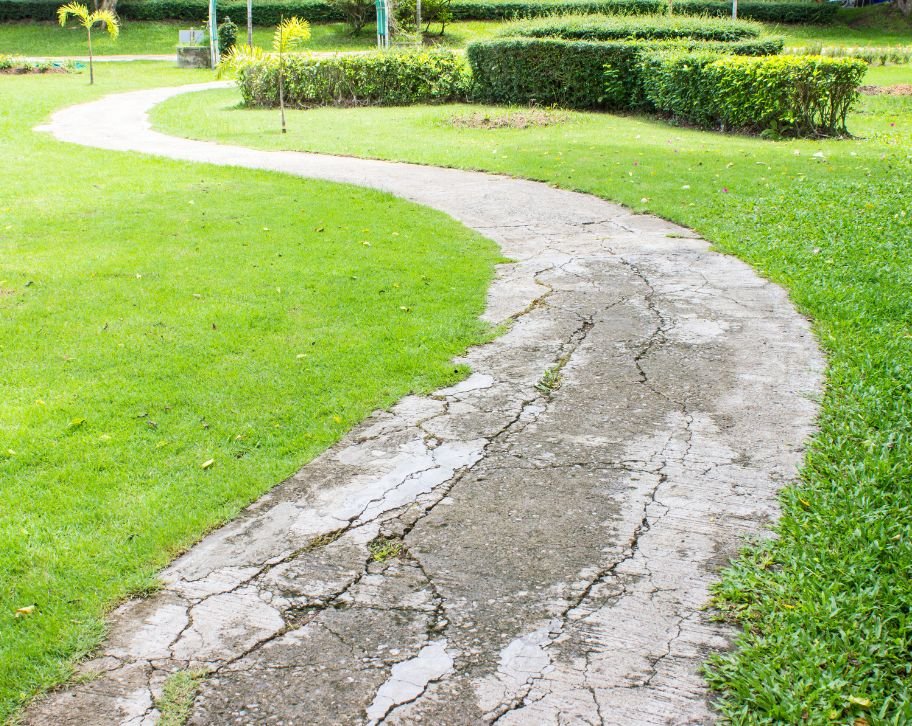
Repeated ice forms when roof runoff reaches a walkway and stays there until temperatures drop. A downspout outlet aimed at the path, a low spot, or a poor slope can keep sending water across the same area. The frozen layer may build up with each thaw and refreeze, even after a small flow. A snowbank, blocked drain, or shifting extension can also redirect water.
The downspout may not be the only source. Melting snow or runoff from nearby ground can reach the path too. Check low spots and changes in slope before moving an outlet.
Trace the water from the roof outlet to the icy patch during a thaw or rain, observing from safe ground. Note where it travels and collects, and check visible downspout joints for leaks. Do not climb an icy ladder or step onto the slick path to investigate.
| Where the ice appears | Possible reason | Useful first check |
|---|---|---|
| Directly below the downspout outlet | Short, loose or poorly aimed extension | Watch where water discharges during a thaw |
| Across the walkway from a nearby lawn | Ground slope sends runoff over the path | Trace the wet route and look for low spots |
| In the same walkway depression | Settled paving or poor surface drainage | Look for puddling even when the outlet is dry |
| Beside a downspout that overflows | Possible internal ice or debris blockage | Check visible joints and seek help for inaccessible sections |
A thaw shows the route more clearly than an ice-covered walkway. Watch where water exits the downspout, then trace its path across soil, paving, or a drain. Take photos of wet spots, puddles, settlement, and the ice patch from a safe position. Downspout water freezing on walkway surfaces may result from runoff that travels along a wall or beneath snow before reaching the path.
Leaves and roof debris can block eavestroughs or downspouts, while snow can bury an outlet or extension. Check visible joints for leaks, and look for water marks, soil erosion, or a puddle beside the path. A low spot can hold water even when the outlet points away from the walkway. A pipe frozen inside may also back up, so the visible outlet does not always show the full problem.
Roof runoff usually appears when snow melts or rain falls, then follows a route from a downspout or roof edge. General walkway drainage trouble may show as pooling after rain, even when the downspout is dry. Look for settled pavers, a slab that slopes toward the building, or a drain that holds water. If the source remains unclear, record the conditions and watch the next thaw from a safe place.
Treat ice on a walkway as a slip hazard, especially near steps, entrances, ramps, and busy routes. Block off the affected section or mark it clearly, then direct people to a safer path if one is available. Remove loose snow with care before it compacts or melts across the ice. Sand or suitable grit can improve grip, but it will not melt ice or stop new runoff.
If you use a de-icer, follow its label and check that it suits the walkway material and nearby plants. Chemicals may help manage existing ice, but they do not prevent recurring repeat icing. Avoid boiling water, hard blows with a metal tool, or any method that sends water onto a road or public path. During active thaw and freeze conditions, no treatment can promise an ice-free surface.
A lasting fix gives runoff a clear route away from the path, building, and other walking areas. The right choice depends on the outlet, ground slope, soil, walkway condition, and a safe place for water to go. An extension may be enough for a simple outlet problem, but grading or drainage work may be needed when water collects elsewhere. Do not direct runoff onto a neighbour’s property or public walkway.
Move the outlet beyond the walkway and direct it to stable ground where water can disperse without flowing back. Check that an extension stays in place and does not block access or create a trip hazard. A splash block can spread water near an outlet, but it will not solve a slope that sends runoff toward the path. A short extension can simply move the ice to another spot.
Grading means shaping the ground so surface water follows a planned route. Regrading may help when soil or paving slopes toward the walkway, or a low area holds water after a thaw. A shallow swale, which is a gentle channel in the ground, can guide runoff away from the path where the site allows. A yard drainage assessment helps determine whether grading is enough or a separate drainage feature is needed. Any change should avoid sending water toward a foundation or another property.
A channel drain collects water moving across a paved surface, while a buried closed pipe can carry downspout runoff to a suitable outlet. A French drain is generally used to manage subsurface water, so it is not automatically the right choice for roof runoff. Each option needs a clear discharge route and regular checks for blockage or freezing. Before excavation, consider soil, utility lines, property boundaries, and local requirements.
A walkway may need repair when settled pavers, cracked concrete, uneven joints or unstable steps hold water or redirect it. Surface work alone will not solve recurring ice if roof runoff still crosses the path. This stone and concrete walkway drainage guide explains why slope, base condition and surface levels need to work together.
A settled section may sometimes drain better after adjustment or regrading, but the right repair depends on the base and surface condition. Loose pavers, a damaged slab or a poor slope may require more than a patch. If the existing surface cannot be corrected safely, a new walkway layout may be worth discussing. Understand the runoff route before choosing the work.
Seasonal checks can catch drainage problems before winter conditions make them harder to manage. Clear leaves from eavestroughs and downspouts in autumn, check visible joints, and confirm that extensions point away from the path. During thaws, look for water that crosses the walkway or gathers in a low spot. Keep snow clear of outlets and drains when you shovel or arrange snow removal.
After drainage work, check the route during rain and thaw conditions to confirm water reaches the intended area. Look for new puddles, blocked outlets, or water that returns to the same path. Note when the ice forms and where it starts, so any recurring issue is easier to trace. These checks can help prevent the same repeat icing next winter.
Ice returns when water keeps reaching a walkway that cannot drain before temperatures fall. Mark or close the hazard, remove loose snow carefully, and use grit for traction or a suitable de-icer to manage existing ice. Then follow the runoff from its source and choose a fix that safely carries water away. A longer extension may help, but a low area or settled path may need different work.
A useful repair considers downspouts, grades, drains and the walkway together, and checks that water does not drain onto a foundation, public path or neighbouring property.
If an extension has not stopped recurring ice, or the water’s route is unclear, a site visit can help identify whether the issue involves drainage, grading, or the walkway itself. Atlantic Hardscape and Concrete works on yard drainage and walkways in Fredericton and nearby communities. You can contact the team to discuss the property and possible next steps.
Yes, a clear downspout can freeze if water remains inside during a cold spell. Snow or ice may also block the outlet and cause water to back up. Check the visible route during a thaw, and seek help if repeated backup or leakage appears.
A longer extension can help when the outlet ends too close to the walkway and a safe discharge area is available. It will not fix a low spot or a slope that sends water back across the path. Check that the extension stays clear, secure, and out of the walking route.
No, salt may help manage existing ice when the product label allows it for the surface. It does not stop runoff from reaching the walkway during the next thaw. Use only the directed amount, and correct the water route to reduce repeat icing.
No, French drains generally manage subsurface water, and they are not automatically suitable for downspout discharge. A closed pipe or surface drain may fit better, depending on the site and outlet. The drainage type should match the water source and have a safe discharge point.
Sometimes, a settled walkway can be adjusted or regraded without full replacement, depending on its condition and construction. Cracks, unstable sections, or a poor base may require more extensive repair. Check the runoff route too, since surface work alone may not stop recurring ice.
GET STARTED
Your dream space is within reach as we work together from detailed 3-D designs to the final custom build. Our process is both professional and exciting, and we look forward to taking this journey with you.
Contact
34 Jackstraw Court, Fredericton, NB, Canada, New Brunswick
