A concrete garage apron can rise after freezing weather when water in frost-susceptible soil forms layers of ice that push the slab upward. Roof runoff, poor drainage and wet fill can contribute to that moisture. The raised concrete may be frost heave, but the cause should be checked before choosing a repair.
The garage apron joins the driveway to the garage threshold. A raised edge may affect door clearance, driving access and drainage.
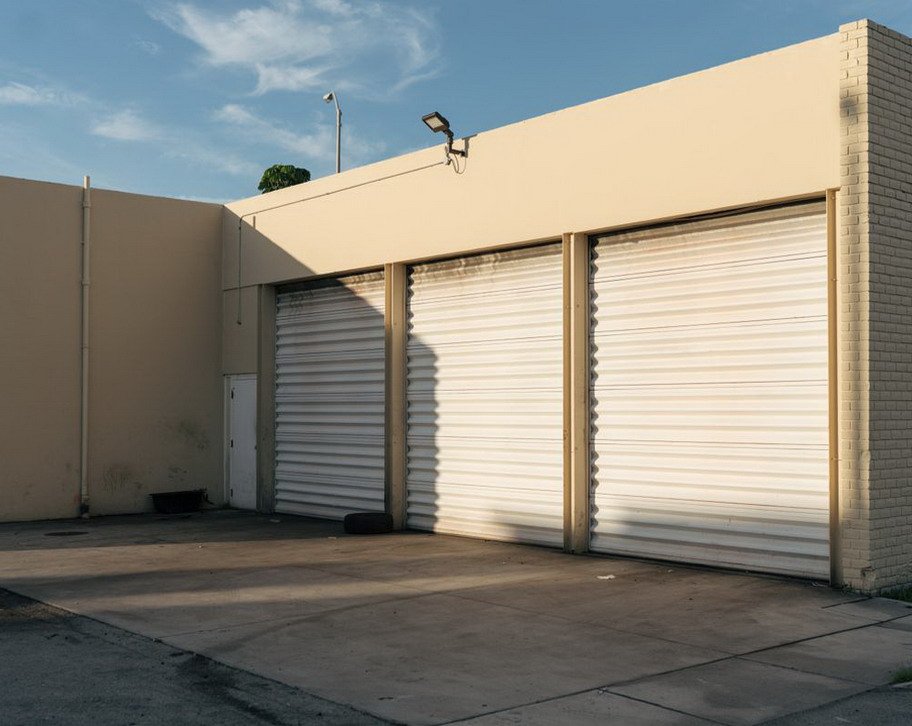
The concrete apron outside your garage can rise when freezing, moisture and susceptible soil combine beneath it. Water in the ground freezes into layers called ice lenses, which can push the slab upward. Poor drainage, roof runoff or water flowing toward the garage may add to the problem. A crack or raised lip can signal movement, but neither confirms frost heave on its own.
Heaving raises the apron relative to neighbouring surfaces; settlement lowers it when the supporting soil compresses or washes out. A lip that gets higher in winter and changes during thaw suggests seasonal movement, but cannot confirm frost heave. Compare the apron with the garage floor and driveway over time. The repair differs: lifting a settled slab may be considered, but lifting a slab that is already too high will not solve the problem.
Look for a raised lip, a low edge, new cracks or a gap where the apron meets the garage floor. Note whether the vehicle scrapes, the door seal no longer meets the slab, or water runs toward the garage. A surface crack without a height change may need attention, but does not prove the slab has shifted. The table below offers clues, not a diagnosis.
| Sign | Possible explanation | Next check |
|---|---|---|
| Raised edge at the threshold | Heaving or uneven movement | Compare with the garage floor and driveway |
| Low area or gap below an edge | Settlement or lost support | Check for pooling water and soft ground |
| Crack with no clear height change | Surface damage or early movement | Watch for changes after rain and thaw |
| Door seal no longer meets the slab | A change in apron or door position | Check the door and nearby concrete |
Frost heave needs freezing, moisture and frost-susceptible soil. Ice lenses can raise the exterior apron even when the garage floor stays level, leaving a lip or crack. But frost is not the only possible cause.
Roof runoff, downspouts, snowmelt and a driveway sloped toward the door can keep soil wet near the apron. Clay and silt may hold water, while loose or poorly compacted fill can offer uneven support. During thaw, softened material may shift under the slab, leaving parts at different heights. Soil swelling or nearby roots can also cause local movement, so look at the whole entrance rather than assuming frost explains every change.
When the garage apron rises or becomes uneven, reduce immediate risks and document the change. Do not force the garage door onto raised concrete, since contact may damage the door or its seal. Keep runoff from collecting at the threshold where practical, and use a safer walking route if the edge presents a trip hazard. Take photos after winter and again after thaw to record seasonal differences.
Avoid chipping off concrete in freezing conditions or placing an overlay over active movement. Those steps can leave the underlying cause in place and may create more damage. Do not try to push down or lift a raised slab yourself. If the door binds, the slab feels unstable or movement worsens, arrange an appropriate site review.
A repair depends on whether the apron is still moving, how badly it is cracked and what lies beneath it. If the slab is stable and only a small surface crack is present, sealing may help limit water entry. Continued seasonal movement, a twisted slab or a garage-door clearance problem calls for checking the base and moisture route before patching. A concrete contractor can assess whether repair or replacement makes more sense.
A minor crack may be sealed to limit water entry if the slab is otherwise stable and no ongoing movement is present. Sealing does not reverse heaving or stabilise soil beneath the concrete. If the crack widens, reopens or changes height, a patch may fail as the slab moves again. A qualified contractor can help distinguish surface damage from a changing base.
A badly cracked, twisted or repeatedly displaced apron may need replacement. Work may include correcting drainage and rebuilding the base with suitable compacted material. The appropriate depth and construction depend on site conditions.
Concrete lifting methods such as polyurethane foam are generally used to raise settled slabs. They are not a standard way to lower concrete already pushed upward, and adding material beneath a heaved apron could worsen its position. Grinding or an overlay may alter the surface but cannot correct a moving base. A qualified concrete contractor can review whether the slab should stay or be replaced.
Grading and drainage matter because water near the apron can keep soil wet before freezing. Check downspouts, roof runoff, driveway slopes and low spots to see where water travels during rain or snowmelt. A buried drain needs a suitable outlet that does not send water towards the garage or neighbouring property. A surface channel drain may be useful where water crosses the entrance; changing the grade may be enough where runoff is shallow and a safe outlet exists. Neither should be chosen before the flow path is checked.
A drainage review can trace water from the roof and yard to the entrance, then consider surface grading or a drain where appropriate. See yard drainage options and light excavation services for related site work. Correcting runoff alone may not resolve a weak or wet base, but ignoring runoff can leave the same source of moisture in place.
Before approving work, ask whether winter photographs and the current slab height indicate heave or settlement, and what evidence supports that assessment. Find out where water comes from, what may change after thaw, and whether the base needs attention.
Ask how the plan will affect the door clearance, garage-floor joint and drainage discharge. Confirm the scope with a concrete specialist, and the water route with a drainage professional. Ask about appropriate curing and access conditions.
Atlantic Hardscape & Concrete offers yard drainage, grading and light excavation in Fredericton and nearby New Brunswick communities. We can discuss site concerns and assess whether water movement or grading may be part of the problem. Contact Atlantic Hardscape and Concrete to discuss your property.
A raised garage apron can be caused by frost, wet soil or other ground movement. Watch changes in height, door clearance and where runoff flows. Do not assume a crack filler or slab lifting will correct an active base problem; address the cause before deciding on concrete work.
No, a raised apron does not always mean the foundation is damaged. The slab may move because of frost, water, roots or base conditions. Check whether water now flows toward the building or the apron presses against adjoining surfaces. A site review can help clarify the concern.
Usually, lifting methods suit settled concrete, not a slab pushed upward by frost or soil. Adding material below an already raised apron could worsen its position. Have the movement identified before choosing an injection or lifting method.
It may drop as the ground thaws, but it may not return to its former position. Cracks or uneven edges can remain after seasonal movement. Watch for changes and check whether the slab stays level through warmer weather.
A crack can be sealed, but the seal will not stop a moving base. Repeated movement may reopen the crack or break the patch. Check the slab and drainage before treating the seal as a lasting repair.
It can contribute if water backs up, spills beside the garage or soaks the soil near the apron. The effect depends on where the water goes and how the ground drains. Check the downspout outlet and nearby grading after thaw.
GET STARTED
Your dream space is within reach as we work together from detailed 3-D designs to the final custom build. Our process is both professional and exciting, and we look forward to taking this journey with you.
Contact
34 Jackstraw Court, Fredericton, NB, Canada, New Brunswick
