Outdoor lights are safe to operate in snow and freezing rain when installed as wet-rated, low-voltage 12-volt systems with moisture-sealed connections. Low-voltage LED fixtures generate subtle forward heat to clear light ice while eliminating shock hazards in saturated snowpack. Proper winter exterior design keeps walkways visible, highlights ground hazards, and maintains property security throughout freezing weather.
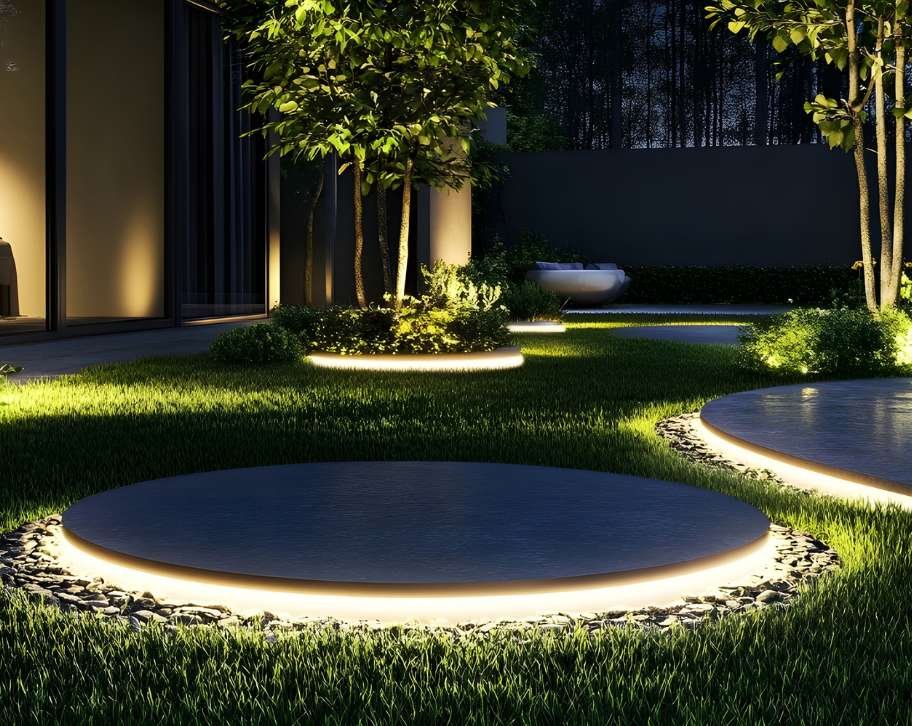
Outdoor lights are safe to operate in snow and freezing rain when fixtures meet strict weatherproofing standards. Certified exterior lighting systems handle sub-zero temperatures, dense ice coats, and wet snow melt without short circuits or structural failure.
Modern low-voltage outdoor fixtures built for freezing winters carry wet location certifications from national testing bodies like CSA Group. These certifications guarantee that internal sockets, drivers, and wiring channels remain dry during heavy sleet and freezing rain events. Moisture protection relies on Ingress Protection ratings. Fixtures rated IP65 protect internal electronics against wind-driven freezing rain, while IP67 or IP68 ratings protect units exposed to temporary meltwater pooling. Flexible silicone O-rings retain elasticity during frost, creating an airtight seal around glass lenses and housing joints.
Structural durability depends on material selection. Cheap plastic or thin sheet metal fixtures become brittle in cold weather, cracking under the weight of ice or snow removal impacts. Professional systems utilize solid cast brass or anodized aircraft-grade aluminium. These non-corrosive metals withstand freeze-thaw cycles and winter salt spray without flaking, rusting, or fracturing.
Comparing low-voltage systems versus line-voltage systems in winter conditions reveals clear performance and safety benefits for 12-volt systems. Low-voltage outdoor lights provide cold-weather resilience and reduced hazard risk during freezing rain and snowstorms.
A 12-volt low-voltage circuit operates far below dangerous electrical thresholds. Even if a wire sheath gets scraped by a snow shovel or submerged in slush, the shock risk remains near zero for residents, children, and pets. In contrast, standard 120-volt line-voltage power presents higher electrical hazards in wet environments, requiring deep conduit trenches and strict Ground Fault Circuit Interrupter protection.
Solid-state LED technology excels in cold temperatures. LEDs produce a gentle forward heat across the glass lens. This mild thermal energy melts light snow dustings and thin ice glazes off the fixture surface, preventing opaque ice buildup without thermal shock that shatters standard high-heat bulbs.
System feature | Low-voltage LED systems (12V) | Line-voltage systems (120V) |
|---|---|---|
Electrical shock hazard | Minimal safety risk in wet snow and slush | High hazard requiring strict GFCI placement |
Sub-zero efficiency | Driver efficiency increases in cold weather | Standard bulbs face higher thermal stress |
Lens heat output | Mild ambient warmth melts light ice crusts | High heat output risks thermal shock cracking |
Energy consumption | Low power draw on long winter nights | Higher electrical consumption |
Practical methods to protect outdoor lights from ice and snow preserve system durability and consistent performance through winter storms. Strategic fixture positioning, proper trenching depths, and moisture-proof connections safeguard components from frost heave and mechanical damage.
Using correct installation steps prevents system failures caused by freeze-thaw cycles, where water expands by roughly 9 percent as it turns to ice. Below are standard guidelines for winter-ready outdoor lighting.
Install stem risers to elevate pathway fixtures 18 to 24 inches above average snow accumulation levels, keeping lenses clear of deep drifts.
Use direct-burial cable and gel-filled connectors buried 6 to 8 inches deep to protect underground wire splices from expanding soil frost.
Set back fixtures from driveway edges and active shovelling zones to prevent accidental impacts from snowplows, shovels, and snowblowers.
Perform autumn lens cleaning and seal inspections prior to initial deep freezes to clear dirt and confirm gasket tightness for weatherproofing.
Professional exterior lighting services by Atlantic Hardscape and Concrete offer custom, weather-resistant outdoor lighting systems built to endure severe Maritime winters. Operating in Fredericton, New Brunswick, experienced technicians design low-voltage systems that handle heavy freezing rain, deep snowpack, and intense ground frost.
By using heavy-duty cast brass fixtures, direct-burial cables, dielectric gel-filled splices, and properly rated transformers, Atlantic Hardscape and Concrete builds lighting setups that stay safe and functional year-round. Expert placement compensates for short winter daylight hours, illuminating slippery steps and driveways while improving property security.
Light snow melts off active LED lenses naturally due to mild forward warmth. Heavy snowpack burial over high-wattage units can trap heat inside the housing, so clearing deep drifts gently with a soft broom protects fixtures from thermal stress.
An IP65 rating protects elevated directional lights against wind-driven freezing rain and sleet. IP67 or IP68 ratings are required for in-ground well lights exposed to standing meltwater pooling during rapid winter thaws.
LED diodes perform exceptionally well in sub-zero temperatures because cold conditions reduce heat stress on internal drivers. Cold weather increases operational efficiency, maintains brightness, and helps extend overall bulb longevity throughout winter.
Melting snow can penetrate unsealed wire splices or damaged cable insulation, creating a ground fault that trips the GFCI outlet. Using dielectric gel-filled wire connectors prevents water intrusion and stops circuit tripping during freeze-thaw cycles.
GET STARTED
Your dream space is within reach as we work together from detailed 3-D designs to the final custom build. Our process is both professional and exciting, and we look forward to taking this journey with you.
Contact
34 Jackstraw Court, Fredericton, NB, Canada, New Brunswick
