A paver patio often fails the same way a house does. The problems rarely start with what is visible. Most issues begin deep underneath, where no one looks until the damage is done. When the base is weak, even the nicest stone will shift, sink, and crack. That is why choosing the best foundation for paver patio projects is the single most important decision in the whole build.
In and around Fredericton, the ground takes a beating every winter. Moist soil freezes, expands, thaws, and then does it all over again. Those freeze–thaw cycles act like a slow jack under your patio. If the paver base material is too shallow, holds water, or is not compacted properly, the patio will heave and settle in just a few seasons, no matter how carefully the pavers were laid.
Think of the foundation for your paver patio as an invisible investment. No one compliments the gravel base, but it quietly decides whether the patio looks great for 5 years or for 50. By the end of this guide, it will be clear which base materials stand up to Atlantic Canada’s climate, how the foundation layers work together, and how proper paver base preparation stops problems like sinking, pooling water, and frost heave before they start.
Atlantic Hardscape and Concrete has spent more than 15 years building paver patios and walkways in the Fredericton area. Our team sees first-hand what happens when the foundation is done right and when corners are cut. This article shares that experience so homeowners, property managers, and developers can choose the best foundation for paver patio installations that are built to last.
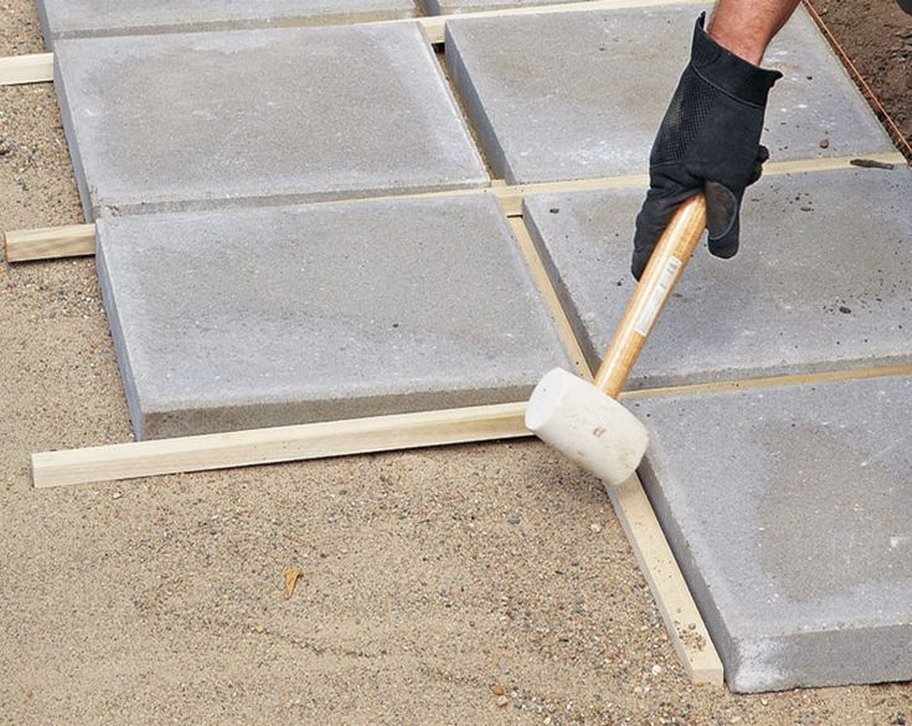
A paver patio looks simple from the surface, but underneath it is a small engineering project. The foundation is the structural backbone that carries the load of people, furniture, vehicles, and even hot tubs. When that backbone is strong and well designed, the stones stay flat and tight for decades. When it is weak, the surface shifts, dips form, and the entire patio paver installation starts to fail.
A proper base has four main jobs:
Spread weight evenly across the compacted soil so no single paver carries more load than it should.
Stop the stones from drifting or separating over time, even under sideways pressure from traffic and frost.
Let water move down and away from the patio instead of letting it sit under the stones.
Resist frost heave by draining moisture out of the zone that freezes in winter.
Fredericton’s climate makes these four jobs even more demanding. Deep frost penetration, heavy fall rains, spring melt, and regular temperature swings put constant stress on any paver foundation. If the base is too thin, built with the wrong gravel base for pavers, or compacted poorly, the ground movement shows up as uneven joints, loose stones, and trip hazards in only a few years.
The cost of cutting corners on the foundation often surprises people. Saving a few hundred dollars by using the wrong paver base material, skipping geotextile fabric, or shaving a couple of inches off the gravel depth can turn into a five-figure rebuild later. In many cases, the only fix for a failed base is full removal and starting again from the subgrade.
At Atlantic Hardscape and Concrete, we treat the foundation excavation as a system, not a single layer thrown into a hole. Our patios in cold areas are typically excavated 8–12 inches deep, which allows for a thicker compacted base for pavers that drains well and stands up to Fredericton winters. That is how we build the best foundation for paver patio projects that stay level and safe instead of slowly falling apart.
A long-lasting paver patio foundation is built in layers, each with a specific job. When every layer is chosen and installed correctly, they work together like parts of a well-tuned machine. When one layer is skipped or done poorly, the whole system weakens. Knowing these layers helps anyone judge whether a patio base is truly the best foundation for paving stone work or just looks good on the surface.
The subgrade is simply the native soil at the bottom of the excavation, but it is far from simple in importance. Every layer above depends on how firm and stable this soil is. If the subgrade is soft, full of roots, or left uncompressed, even the best paver base gravel size and type will not stop the patio from settling.
Preparing the subgrade starts with light excavation to the proper depth, then removing all topsoil, sod, and organic material. The soil should be graded with a slight slope for drainage and allowed to dry, because wet clay or mud will not compact properly. Atlantic Hardscape and Concrete uses plate compactors to make several passes over the entire area, which creates a dense, stable base for the rest of the system.
In many Fredericton yards, clay-heavy soils need special care. We often excavate a little deeper and sometimes apply dolomitic lime to help improve drainage and soil behaviour before adding any paver base material. This early effort is a key part of the best foundation for paver patio projects.
Once the subgrade is compacted, geotextile fabric is often added as a smart insurance layer. This tough, permeable fabric sits between the soil and the base aggregate. Its main role is to keep fine soil particles from creeping up into the gravel base, which would slowly clog the voids, reduce drainage, and weaken the foundation.
The fabric also helps hold the base in place and reduces the chance of weeds pushing through from below. For it to work well, adjacent sheets must be overlapped by 15–30 centimetres and carried up the sides of the excavation so there are no gaps. Some installers skip this step, but on Fredericton’s clay soils it is considered best practice.
Atlantic Hardscape and Concrete uses professional-grade geotextile fabric on all but the most minor installations. It is a small cost that helps protect the best foundation for paver patio surfaces from long-term soil contamination.
The structural base layer does most of the heavy lifting in a paver patio foundation. This is the compacted aggregate layer, usually Granular A or similar crushed stone for pavers, that sits on top of the fabric and below the bedding sand. It provides strength, spreads loads, and allows water to drain through the system.
Typical compacted base depths are:
The aggregate must be angular so the stones lock together under compaction and create a firm platform.
This layer is never dumped in all at once. It is installed in 2–4 inch lifts. Each lift is spread, moistened, and compacted with a plate compactor two or three times before the next lift is added. Trying to compact an 8-inch layer in one shot only firms up the top few inches and leaves loose material underneath. Our crews at Atlantic Hardscape and Concrete always build this layer in proper lifts, which is vital for the best foundation for paver project installations in a freeze–thaw climate.
On top of the compacted base sits a thin bedding layer, usually one inch of sharp, coarse concrete sand. This layer is not meant to hold weight. Instead, it creates a smooth, level bed that supports each paver evenly. It also helps take up tiny thickness differences from stone to stone and hides small imperfections in the compacted base.
Depth is key here. More sand does not mean more strength. In fact, going over one inch creates a soft layer that moves when loaded or when water runs through it. The proper approach is to screed the sand to a uniform one-inch depth, then leave it uncompacted until the pavers are placed. Using the right paver sand types in the right thickness is another small but important piece of the best foundation for patio paver projects.
Edge restraints and jointing sand complete the foundation system by locking the pavers in place. Edge restraints are installed around the outer border of the patio and anchored with spikes driven deep into the compacted base. They stop the paver field from slowly spreading outward as it is used and as the ground moves seasonally.
After the pavers are laid and compacted, polymeric sand for pavers is swept into the joints. A light mist of water activates binding agents in the sand, which then hardens into a firm but flexible joint. This helps lock the pavers together, limit weed growth in the joints, and discourage ants. At Atlantic Hardscape and Concrete, we use high-quality jointing sand for heavy-traffic areas to keep the best foundation for paver maintenance surfaces firm from the edges right through the centre.
Choosing the right base material is just as important as getting the depth and layering right. Not all gravel is equal, and some products sold for hardscapes are poor choices under pavers in a cold, wet climate. The sections below explain which aggregates support the best foundation for paver patio jobs in Fredericton and which ones slowly set the patio up for failure.
Granular A is the workhorse paver base material for many patios, walkways, and driveways across Canada. It is a controlled blend of sand and crushed gravel with stone pieces typically up to 19 millimetres (three quarters of an inch). The mix of fine and coarse particles means it compacts into a dense, stable base while still allowing water to pass through.
This material suits most residential projects. It works well under patios, walkways, retaining walls, shed pads, and many light-duty driveways. When compacted in lifts, it forms a strong compacted base for pavers that resists settling, even under regular traffic and seasonal movement.
One important detail with Granular A is compaction factor. After compaction, it usually ends up at about 75 percent of its loose depth. That means if a patio needs 6 inches of compacted base, more loose material must be brought in to account for that reduction. Atlantic Hardscape and Concrete uses Granular A as a go-to choice for the best foundation for paver patio installations because it balances strength, drainage, and cost very well in Fredericton’s freeze–thaw climate.
Crushed stone road base is a premium option when maximum strength is needed. It is made from angular crushed limestone or granite mixed with fines. The sharp edges of the stones help them lock together tightly when compacted, creating a base that feels almost like solid rock underfoot.
This material shines under heavier loads. Driveways, commercial walkways, and patios that support hot tubs or large outdoor kitchens benefit from its high load capacity. When used as the main gravel base for pavers in these settings, it greatly reduces the risk of rutting, shifting, or long-term settlement.
Quality can vary by supplier, so we always source from trusted local yards that provide consistent gradation and clean aggregate. At Atlantic Hardscape and Concrete, we specify crushed stone road base for all driveway paver patio installation projects. For clients who care about the best foundation for paver patio driveways and heavy-use areas, this material is often the top pick.
High-performance bedding, or HPB, is a washed limestone chip, usually around 6 millimetres in size, with almost all fines removed. That makes it a clear stone. Because there are many open voids between the chips, water can move through it very quickly.
HPB is used where drainage is the main concern. Patios in wet spots, walkways that cross areas with poor natural drainage, and permeable paver systems all benefit from this kind of base. It can be used alone or in combination with other aggregates to form the best foundation for paver patio installations that must drain fast.
One advantage of HPB is that it does not need mechanical compaction in the same way Granular A does. When fully contained with proper paver edging installation and side walls, it will settle into a firm mass under its own weight and the weight of the pavers. However, it must be contained on all sides; otherwise, it can spread. We do not recommend HPB as a base under artificial turf or porcelain tiles, but for drainage solutions-focused patios in Fredericton it is an excellent tool.
Recycled concrete aggregate is made by crushing and screening old concrete from demolished structures. When processed to the right standard, it behaves much like regular crushed stone for pavers. For homeowners and developers who value sustainability, RCA can be an appealing choice.
RCA reduces landfill waste and often costs less than freshly quarried stone. In light commercial and residential projects with appropriate design, it can form part of the best foundation for paver patio builds without sacrificing performance. It compacts well and can carry typical patio and walkway loads.
The challenge with RCA is quality control. Some batches may contain wood, plastic, rebar pieces, or too much fine dust. For that reason, Atlantic Hardscape and Concrete only uses RCA from reputable suppliers and only after confirming it meets municipal construction standards. When a client wants a greener option, we review the available RCA and approve it only if it meets the same expectations we have for any other paver base material.
While some materials appear suitable for paver installation, many commonly used products can severely damage your patio in Fredericton’s climate, creating costly problems instead of providing proper support.
Three-quarter inch crusher run, often used under asphalt, retains water rather than draining properly. Under pavers, this trapped moisture freezes and expands, lifting stones unevenly. When it thaws, pavers settle inconsistently. Due to these drainage issues, crusher run is not recommended for paver bases and typically voids manufacturer warranties.
Limestone screenings present similar problems. This fine, flour-like material compacts tightly but holds significant moisture. In freeze-thaw climates, trapped water forms ice lenses that lift and break apart the base structure from within. Screenings can also damage surrounding plants and will void paver warranties when used as structural support. While occasionally useful for specialized applications in small amounts, screenings should never serve as the primary base layer.
Sand is the third major mistake when misapplied. Though essential for bedding layers and joints, sand fails as a structural base because it cannot lock together under compaction. It shifts under weight and moisture, leading to sunken pavers, ruts, and significant surface irregularities. Atlantic Hardscape and Concrete avoids using sand as a paver base, relying instead on industry-approved aggregates that maintain warranties and ensure lasting performance.
There is no single base design that fits every patio. Two projects can use the same pavers but need very different foundations because of how they will be used and where they are built. To get the best foundation for paver patio work, several site and usage factors must be considered together rather than guessed at on the fly.
The first question is always how the space will be used. A simple garden path does not need the same depth of gravel as a driveway where trucks will park. Heavier loads require a deeper, stronger base so the weight spreads out before it reaches the soil.
For light foot-traffic areas, such as garden paths or narrow decorative walkways, a compacted base of about 4 inches (10 centimetres) is often enough. These areas see gentle use and rarely carry more than a few people at once. Standard residential patios, where people gather, furniture sits, and planters are placed, typically need 4–6 inches (10–15 centimetres) of compacted base for pavers.
driveway pavers and patios that hold hot tubs, outdoor kitchens, or heavy fire features are a different story. These spaces usually call for at least 8 inches (20 centimetres) of compacted aggregate, and 10–12 inches is often the safer choice. At Atlantic Hardscape and Concrete, we discuss how each space will be used before recommending a base depth. When the goal is the best foundation for paver patio areas that must carry heavy loads, going a bit deeper is a small cost that prevents major repairs.
The type of native soil under a project has a huge effect on how the foundation should be built. Sandy or gravelly soils drain quickly and do not change size much with moisture, which makes them relatively easy to build on. Clay-heavy soils, common in many Fredericton neighbourhoods, behave very differently.
Clay tends to hold water and release it slowly. It swells when wet and shrinks when dry, and it is very prone to frost heave. If a standard 4–6 inch base is placed directly on clay without any separation or extra depth, even good paver base material can start to move as the soil beneath shifts. This movement shows up as humps, dips, and spreading joints in only a few winters.
To get the best foundation for paver patio builds on clay, we often increase the ground preparation depth by 2–4 inches beyond basic guidelines. Geotextile fabric becomes non-negotiable, because it keeps the clay from migrating up into the base over time. In some cases, we apply dolomitic lime to help the soil handle moisture better. Careful grading for surface water is also important, so water does not sit near the edges and soak into the subgrade.
At Atlantic Hardscape and Concrete, soil assessment is part of every site visit. Our team looks at soil texture, drainage patterns, and past movement signs like existing cracks or dips. This information shapes the design of the best foundation for paver patio areas on that particular property.
Water is the main enemy of any hardscape foundation. If it cannot drain away from and through the patio, it will pool, soak the base, and sit ready to freeze when temperatures drop. Good drainage involves both what happens on the surface and what happens inside the foundation layers.
Surface drainage starts with slope. The patio, and even the compacted base underneath it, should have a steady slope of about 1–2 percent, which means a drop of 1–2 centimetres per metre. That slope directs water away from the house and towards a safe discharge area. Flat spots or back-pitched areas let water sit, soak in, and cause long-term issues.
Internal drainage depends heavily on material choice. Open-graded aggregates like Granular A, properly installed crushed stone for pavers, or HPB encourage water to move downward and away. Materials that trap water, such as limestone screenings or three-quarter inch crusher run, should be avoided in the foundation for paver patios. In very wet yards, French drains with perforated pipe and drainage fabric may be added beside or under the patio to catch and move water away. Our crews regularly combine correct slope, well-chosen base materials, and added drainage issues where needed to protect the best foundation for paver patio projects.
Fredericton’s climate adds one more important layer to foundation planning. Winters are long, frost can reach deep into the ground, and spring thaws come with plenty of moisture. This combination makes frost heave a major concern for anyone planning paver patio installation in the region.
Frost heave happens when water in the soil or base freezes and grows into ice lenses. These lenses can exert thousands of pounds of upward force per square foot. When they melt, the ground does not always settle back to the exact same position, which leaves high spots, low spots, and twisted sections in the patio.
To fight this, Atlantic Hardscape and Concrete usually excavates deeper than builders might in milder areas. For patios, 8–12 inches of base depth is common, with carefully compacted lifts of well-draining aggregate. The idea is to create a thick, stable layer that drains well and reduces the amount of water near the freeze line. Using permeable aggregates, compacting thoroughly, and paying attention to slope are all part of designing the best foundation for paver patio surfaces that can handle many Fredericton winters without major movement.
Anyone can buy pavers and gravel, but building the best foundation for paver hardscaping projects in Fredericton takes experience and planning. Atlantic Hardscape and Concrete has been installing patios, walkways, and driveways in the region for over 15+ years. We have seen every kind of soil and every way a base can fail, and we use that knowledge to do things right.
Our foundation specifications exceed bare minimums. For most patios, we excavate 8–12 inches instead of 6–8 inches. This extra depth allows a thicker gravel base for pavers that better resists frost heave and seasonal movement. On driveways and heavy-use areas, we extend the base even deeper to handle vehicle loads without rutting.
The installation process is disciplined and repeatable. Site preparation includes precise layout, controlled excavation, and subgrade compaction with commercial plate compactors. We make multiple passes to reach a firm, stable subgrade. Professional-grade geotextile fabric is installed as standard. Base aggregates such as Granular A or crushed stone are added in proper lifts, each one compacted thoroughly before the next is placed.
drainage design is built into every project. We check slope from the subgrade through the final paver surface, and we add French drain installation or extra drainage stone where needed. For jointing, we use angular polymeric sand for pavers to lock the field firmly and resist washout. Our paver edging installation uses strong restraints and proper spikes to keep the field locked in position.
Material standards matter. Atlantic Hardscape and Concrete does not use limestone screenings or crusher run as base material under interlocking pavers. We source from reputable suppliers and match paver base material to the specific use and load of each project. This protects manufacturer warranties and supports long-term performance.
We treat every patio as an investment. From soil and drainage assessment to design and construction, clients get a clear plan for how the foundation will support their space for decades. Ongoing maintenance is available to keep everything stable. When the goal is the best foundation for paver patio projects that will outlast trends, this level of care makes all the difference.
For a standard backyard patio styles with normal foot traffic, a compacted base of 6–8 inches is usually recommended in the Fredericton area. That depth helps manage freeze–thaw movement and supports furniture and regular use. On clay soils or where loads are heavier, Atlantic Hardscape and Concrete often increases the base depth to 8–10 inches to build the best foundation for paver patio performance.
Granular A is usually the best all-around choice for residential patios, walkways, and many driveways. It compacts into a stable base while still allowing good drainage, which is vital in Atlantic Canada. When combined with proper thickness and compaction, Granular A forms a strong compacted base for pavers that holds up well under local conditions.
Even with extra thickness, limestone screenings are a poor choice under interlocking pavers. They hold water, have very limited drainage, and are prone to frost-related movement. Screenings can also void many paver warranties. For the best foundation for paver patio builds, it is far better to use Granular A, crushed stone, or HPB, depending on the project.
Yes, a one-inch bedding layer of sharp concrete sand is the standard for most paver patio installation work. This layer is not structural, but it provides vital leveling and cushioning between the compacted base and the pavers. Less than one inch makes leveling difficult, while more than one inch creates a soft, shifting layer that leads to uneven pavers.
In a DIY project, mistakes with excavation depth, paver base preparation, compaction, or drainage might not show up until a few winters have passed. Atlantic Hardscape and Concrete brings the tools, experience, and local knowledge needed to build the best foundation for paver patio projects from the start, which saves time, stress, and money over the life of the patio.
GET STARTED
Your dream space is within reach as we work together from detailed 3-D designs to the final custom build. Our process is both professional and exciting, and we look forward to taking this journey with you.
Contact
34 Jackstraw Court, Fredericton, NB, Canada, New Brunswick
