Struggling with ice and snow outside your home? Understanding how salt works can save you time and protect your Fredericton yard. Winter weather can transform your walkways into treacherous ice rinks, making simple tasks like getting the mail a risky venture.
When salt meets snow, it triggers a fascinating chemical reaction called freezing point depression. This process breaks down the crystalline structure of ice by lowering its freezing temperature, effectively turning that slippery hazard into manageable slush.
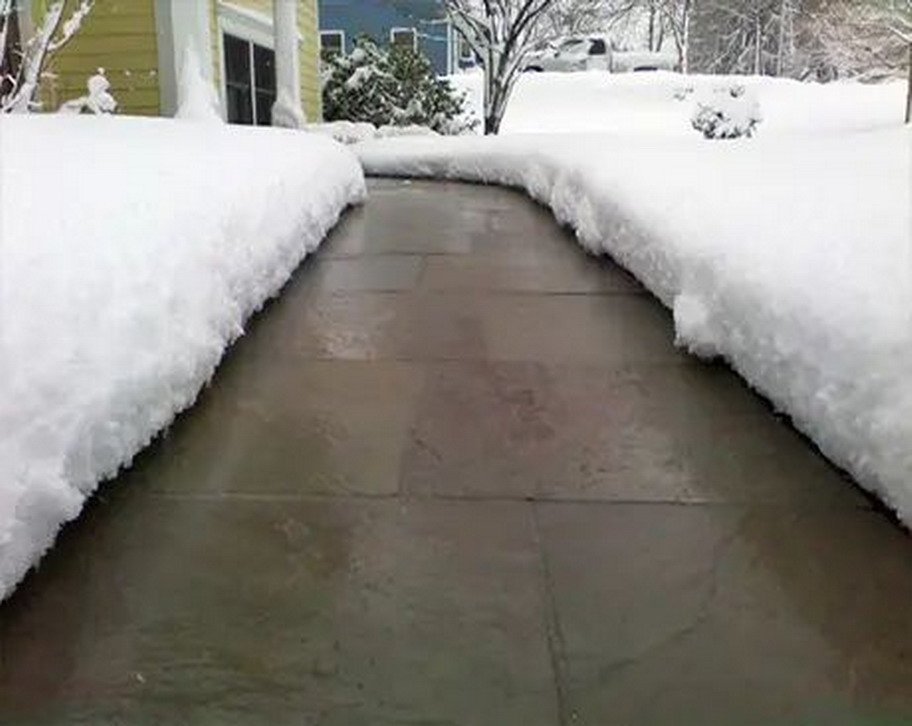
You might notice that sprinkling salt helps in clearing the snow from your sidewalk, but the phenomenon involved in the process is quite interesting. When you put salt on top of snow and ice, it breaks down into tiny particles that mix with the thin layer of water on the frozen surface.
Regular water freezes at 32 degrees Fahrenheit, but when salt is mixed with water, something special happens. The salt solution lowers the freezing point of water, making it harder for ice to form. This is why road salt work so effectively, it prevents the water from turning into solid ice.
Sodium chloride (table salt) acts as a troublemaker for ice crystals. When salt dissolves, it splits into sodium and chloride ions that get in the way of water molecules trying to stick together and freeze. Other types of salt like calcium chloride, potassium chloride, and magnesium chloride work in similar ways.
When snow starts melting, a thin layer of liquid water forms naturally on its surface. As you sprinkle salt on this surface, it quickly dissolves to create a salt brine. This salt solution starts working immediately to help in clearing the snow by breaking down the ice structure.
The process is like a chain reaction, as the brine melt ice on the surface, more water joins the solution. This is why salt used to melt ice works best when temperatures aren’t too low. The salt helps prevent ice formation by keeping the water in liquid form longer than usual.
However, if temperatures drop below 15 degrees, the effectiveness of road salt can decrease. At these lower temperatures, the salt solution might become too diluted as more ice melts. That’s why winter hardscape treatment often requires careful monitoring and repeated applications to treat icy conditions effectively.
Watch how the snow starts melting from the surface when salt is applied, it’s fascinating to see this simple chemical process in action!
Road salt remains the top choice for winter maintenance among homeowners in Fredericton. This affordable option effectively melts ice until temperatures drop to 15 degrees Fahrenheit. City use millions of tons of salt each winter because it’s readily available and cost-effective for clearing snow covered roads.
Looking for a gentler option for your property? Magnesium chloride offers excellent ice prevention without harming nearby vegetation. It works well at moderate temperatures and is particularly suitable for residential areas where protecting plants and grass is important.
For those concerned about rust and corrosion, potassium chloride provides a friendlier alternative. Though it only works effectively above 20°F, it’s less damaging to your driveway and vehicles. This makes it ideal for areas where protecting infrastructure is a priority.
This modern alternative helps prevent ice formation while being kinder to concrete surfaces. Unlike traditional salts that can cause rust, this compound offers similar effectiveness without the damaging side effects. It’s becoming increasingly popular for use on bridges and parking structures.
While salt helps prevent slipping on icy roads and concrete sidewalks, it can have some downsides. When salt is used to melt ice, it creates a solution that can seep into concrete surfaces. Over time, this repeated exposure can make concrete crack and deteriorate.
Rock salt, which is mostly sodium chloride (NaCl), can be particularly harsh on your concrete sidewalk and paver driveway. When temperatures fluctuate, the salt solution trapped in concrete can freeze and expand, causing damage.
To reduce the risk of accidents while protecting surfaces, consider using alternatives like beet juice or molasses mixed with salt.
You can also pretreat concrete with sealers before winter starts. Remember, using too much salt doesn’t mean better results, a moderate amount of salt is all that’s needed.
While salt is used to melt ice and keep driveway safe, it’s important to consider its effects on the environment. When salt water runs off roads, it can harm nearby plants and affect the temperature of water in local streams and ponds.
Your car might also feel the impact, road salt can make metal parts rust and corrode over time. This is especially true for vehicles that frequently travel on snow covered driveway in hilly regions where lots of salt is needed for safety.
To minimize these issues while keeping yard and sidewalks clear, try using alternatives that work similar to salt. Some homeowners now mix traditional road salt with natural options like beet juice or molasses. Remember to store any ice-melting products properly and keep them away from pets.
No matter the size of your property, our professional snow plowing services keep your Fredericton home or business safe and accessible all winter long. From driveways and walkways to parking lots, we handle the heavy lifting so you don’t have to. Atlantic Hardscape and Concrete team uses best equipment and proven techniques to remove snow quickly and efficiently, giving you peace of mind and a clear, safe property every day of the season.
Salt begins to work quickly when sprinkled on snow, typically starting the melting process within 15 to 30 minutes. The speed of melting depends on factors like ambient temperature, with lower temperatures slowing down the salt’s effectiveness. In ideal conditions around 32 degrees Fahrenheit, salt can help clear snow and ice relatively rapidly, creating a brine solution that prevents ice formation.
Rock salt (sodium chloride) is the most common type of salt used for melting snow and ice on roads and sidewalks. Calcium chloride and magnesium chloride are also effective alternatives, with calcium chloride working at lower temperatures. Each type of salt has different performance characteristics and works best under specific weather conditions.
GET STARTED
Your dream space is within reach as we work together from detailed 3-D designs to the final custom build. Our process is both professional and exciting, and we look forward to taking this journey with you.
Contact
34 Jackstraw Court, Fredericton, NB, Canada, New Brunswick
