Mulch brings one set of benefits, and rocks bring another. If you want to make the smarter choice for your landscape, these first insights will point you in the right direction. Most homeowners struggle with rising maintenance costs and constant material replacement. You’re probably tired of watching your landscaping investment fade, shift, or decompose every season.
The answer isn’t simply “mulch” or “rock”, it’s choosing the right material for each specific area of your landscape. Mulch works best around plants where soil health matters most, while rocks dominate in high-traffic zones and drainage areas. Understanding when and where to use each material will save you money and create a landscape that thrives year-round. This strategic approach transforms your outdoor space into a low-maintenance, beautiful environment.
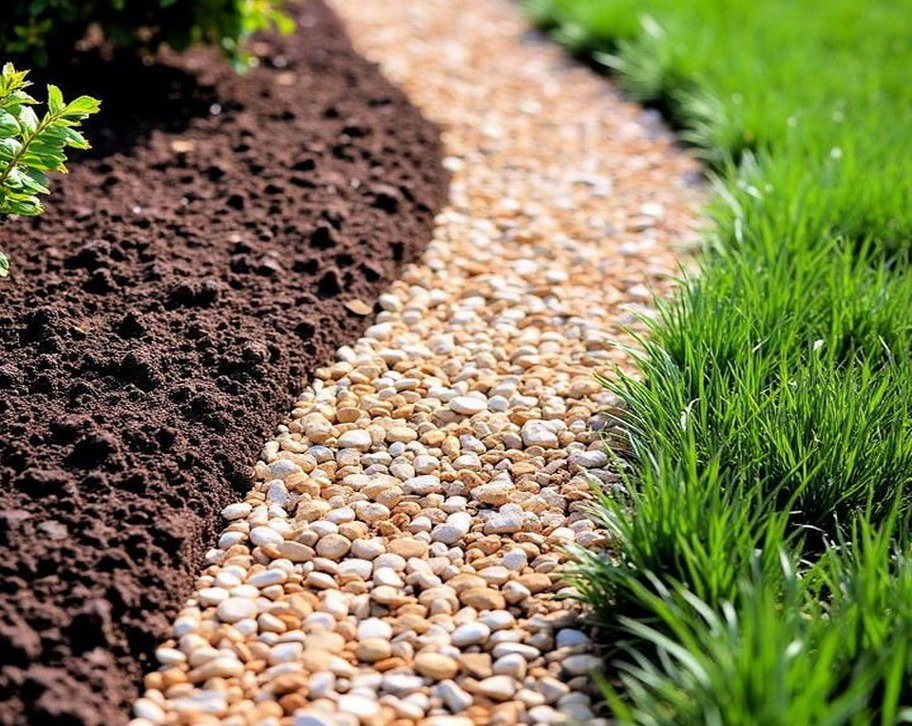
Mulch comes from organic material that breaks down over time. You’ll find types of mulch like bark mulch, wood chips, and compost at garden centers. These natural materials help your garden beds stay healthy while adding nutrients to soil.
Rock landscaping offers permanent inorganic rock landscaping solutions. River rock, lava rock, and crushed stone never decompose like organic mulch does. You won’t need to be replaced these materials year after year.
Different areas work better with specific landscaping materials. Use mulch around trees and in flower beds where plants need soil improvement. Rocks provide excellent drainage for pathways and modern landscape designs.
Current trends show mulch remains popular for traditional gardens. Meanwhile, rock garden designs gain popularity in low-maintenance landscaping and desert-style outdoor spaces.
Mulch consists of organic material that naturally breaks down over time. Wood mulch, bark mulch, and other organic materials slowly decompose and enrich your soil. This natural process makes mulch a living part of your landscape that constantly improves garden conditions. Lets understand first their pros and cons.
Mulch improves soil health by nearly doubling plant growth rates in many cases. As organic mulch decomposes, it adds vital nutrients in the soil that plants crave. This layer of mulch creates better soil structure and helps retain moisture around plant roots.
Mulch helps soil retain moisture by reducing water evaporation from your garden beds. You’ll water less frequently because mulch prevents soil from drying out quickly. Another benefit of mulch includes keeping soil cool in the summer and warmer during winter months.
A proper layer of mulch blocks sunlight that weed seeds need to sprout. Mulch prevents weed growth when applied 2-3 inches thick around your plants. Mulch prevents soil erosion during heavy rains while maintaining healthy soil structure underneath.
You can buy bags of mulch in various colors and textures for different looks. Mulch comes in options that complement any landscape design from natural wood tones to darker shades. The lightweight material spreads easily around trees and in flower beds.
You’ll need to replace mulch every year or two as it naturally decomposes. Replacing mulch becomes an ongoing expense and time commitment for your landscaping project. Depending on the type of organic material, some mulch requires more frequent replacement than others.
Too much mulch can prevent proper drainage and harm plant health in your garden beds. Mulch requires careful timing, applying it too early or late affects plant blooming cycles. Some organic material may contain weed seeds that create new weed growth problems.
Mulch also fades under constant sun exposure, losing its decorative appeal over time. Weather conditions cause organic mulch to break down faster, requiring more frequent replacement. You’ll have to replace faded mulch to maintain your landscape’s attractive appearance.
Rock serves as a non-porous, inorganic rock landscaping material that never breaks down over time. Unlike mulch, rocks don’t decompose or change their basic structure regardless of weather conditions. This permanent nature makes using rock a long-term landscaping solution for your outdoor space. And here are their pros and cons:
Rock landscaping offers exceptional longevity lasting over ten years without replacement needs. You won’t need to be replaced rocks like you would with organic mulch materials. This durability makes rocks require minimal ongoing maintenance compared to other landscaping ground cover options.
Rocks require a fabric weed barrier underneath to discourage weed growth effectively. The fabric weed barrier underneath blocks sunlight while rocks provide weight to prevent weed seeds from sprouting. This combination creates better long-term weed prevention methods than mulch alone.
Rock for landscaping provides excellent fire resistance in areas prone to wildfires. Heavy stones resist wind damage and prevent soil erosion on slopes better than lightweight materials. Rocks provide stability during storms and extreme weather that might wash away other ground covers.
Rocks stand out for their superior drainage capabilities in wet conditions. Water flows quickly through gravel or rocks without creating soggy soil conditions. This makes rock garden designs perfect for plants that prefer drier growing environments.
Rock landscaping offers better durability in high-traffic areas where people walk frequently. You can choose rocks in various sizes, colors, and textures to match your landscape aesthetic choices. Different type of rock options include river rock, lava rock, and decorative stones for unique looks.
Rocks may absorb heat during summer and radiate it back toward your plants. This heat retention can stress sensitive plants and increase their watering requirements significantly. Unlike mulch, rocks don’t provide cooling benefits that help soil temperature regulation around plant roots.
Rocks don’t contribute nutrients to soil health like mulch does through natural decomposition. Your plants miss out on the organic material benefits that improve soil structure over time. You’ll need additional fertilization to maintain proper nutrients in the soil around your plants.
Debris accumulates between rocks and becomes difficult to remove during regular maintenance. Leaves, dirt, and organic matter get trapped in rock spaces requiring special cleaning efforts. This creates more work than simply raking organic mulch in your garden beds.
Rock installation requires more labor due to the heavy weight of most landscaping materials. Moving and positioning rocks demands physical effort that exceeds spreading lightweight mulch. If you decide to change your landscape design later, removing rocks becomes a challenging task.
Mulch can improve soil health dramatically as organic material decomposes and releases nutrients. This natural process helps soil retain moisture while creating better structure for root growth. The layer of mulch acts like insulation, keeping roots protected from temperature extremes throughout seasons.
Rock vs mulch shows different soil benefits since rocks don’t add nutrients like decomposing materials do. However, rocks provide excellent drainage in areas where water overflow creates problems for plants. You’ll need supplemental fertilization to maintain proper nutrients in the soil around your plants.
Different plants thrive with specific landscaping ground cover choices. Most ornamental plants, vegetables, and trees perform better in mulched garden beds that improve soil conditions. Succulents, cacti, and Mediterranean herbs prefer rock garden environments with superior drainage and minimal organic material interference.
In desert conditions, mulch helps soil retain moisture and keeps roots cool during extreme heat. However, you’ll need to replace organic mulch more frequently in these harsh conditions.
Rock landscaping offers low-water landscaping solutions but rocks may absorb heat and stress nearby plants. Deciding between mulch versus rock depends on whether you prioritize water conservation or plant cooling.
Mulch provides excellent insulation against freeze-thaw cycles that damage shallow plant roots. The organic material acts like a blanket, protecting your garden beds from temperature swings.
Rocks provide minimal protection from cold and may shift during freeze-thaw cycles. Plants around trees benefit more from mulch insulation during harsh winter conditions.
Mulch prevents soil erosion and reduces water runoff during heavy rainfall periods. However, lightweight wood chips may wash away without proper containment in your landscape.
Rocks stand firm against flooding but don’t improve drainage like you might expect. Poor soil preparation under rocks can create waterlogged conditions that harm plant health.
Locally sourced organic mulch often comes from recycled yard waste and tree trimming operations. This makes mulch a more sustainable choice for environmentally conscious landscaping projects.
Rock quarrying requires heavy machinery and transportation that impacts natural ecosystems significantly. You can explore eco-friendly alternatives like recycled rubber mulch or locally sourced stone options.
You don’t have to choose just rock or mulch for your entire landscape design. Smart placement of mulch and rock creates functional zones that maximize each material’s strengths. Use mulch in plant beds where soil improvement matters most for healthy growth.
Opt for rocks in high-traffic areas like pathways and driveways where durability counts. Rock landscaping offers permanent solutions around foundations where drainage prevents water damage. This strategic approach balances maintenance needs with aesthetic appeal.
Proper edging separates different landscaping materials and creates clean, professional boundaries. Metal or stone borders prevent mulch from mixing with rock areas. This combination approach helps you make the right choice for each specific area.
In Fredericton’s climate, mulch is the better choice for areas with plants like flower beds and around trees. The organic material helps plants survive New Brunswick’s temperature swings while improving soil health naturally. Mulch will help retain moisture during dry periods and insulate roots from harsh winter conditions.
For non-plant areas like pathway and decorative accents, rocks make more sense in Fredericton landscapes. These inorganic materials handle freeze-thaw cycles better without breaking down or shifting significantly. Rock landscaping offers permanent solutions where you won’t change designs frequently.
The right choice depends on your specific landscaping needs and goals. Use mulch where plant health matters most, and choose rocks for durability in high-traffic zones.
Designing a landscape that looks good and performs well takes more than guesswork or quick decisions. At Atlantic Hardscape and Concrete, we take the uncertainty out of your project with professional landscape and hardscape design and installation services right here in Fredericton.
Our team knows exactly where each material works best, whether it’s mulch, rock, pavers, or plants, so every part of your yard looks great and functions even better. We design with your budget in mind and shape every detail around your vision, helping you build an outdoor space that feels like the dream yard you have always wanted.
Mulch, being organic, can attract insects such as termites or ants. On the flip side, rocks are pest-resistant because they do not decompose.
Yes! we suggest layering: put rock as a base for structure and weed suppression, then top-dress with mulch. This gives both the long life of rock and the soil-feeding benefit of mulch.
Yes, putting large rocks around a tree base can compact soil and overheat the roots, which is harmful.
GET STARTED
Your dream space is within reach as we work together from detailed 3-D designs to the final custom build. Our process is both professional and exciting, and we look forward to taking this journey with you.
Contact
34 Jackstraw Court, Fredericton, NB, Canada, New Brunswick
