You have just invested in a beautiful new patio, only to watch helplessly as spring runoff pools around your foundation, turning your backyard into a swampy mess. Or perhaps you’ve noticed your basement feels damp after every heavy rain, and those telltale water stains are starting to appear. If these scenarios sound familiar, you’re not alone. Fredericton’s climate brings its own set of challenges—from intense spring snowmelt to summer downpours, and without proper drainage, your property pays the price.
Here’s the good news: understanding the different types of lawn drainage systems available puts you in control. Whether you’re dealing with persistent puddles, soggy lawns that never quite dry out, or serious concerns about foundation integrity, there’s a drainage option designed specifically for your situation. The key lies in knowing what options exist and which ones make sense for your property’s conditions.
Fredericton properties face distinctive drainage demands. Our region’s 1.5-metre frost line means drainage systems must be installed correctly to function year-round without freezing. The clay-based soils common throughout the area don’t absorb water quickly, leading to surface pooling and saturation issues. Add in the seasonal precipitation patterns we experience, and proper drainage becomes not just helpful but essential for protecting your investment.
Atlantic Hardscape and Concrete brings over 15 years of specialized experience designing and installing customized yard drainage options throughout Fredericton and surrounding areas. We understand the local soil conditions, climate challenges, and specific requirements that make drainage work here different from anywhere else. Whether you’re a homeowner planning outdoor renovations or a property manager seeking to protect your investment, this guide will walk you through the various drainage system types available and help you make informed decisions about what your property needs.
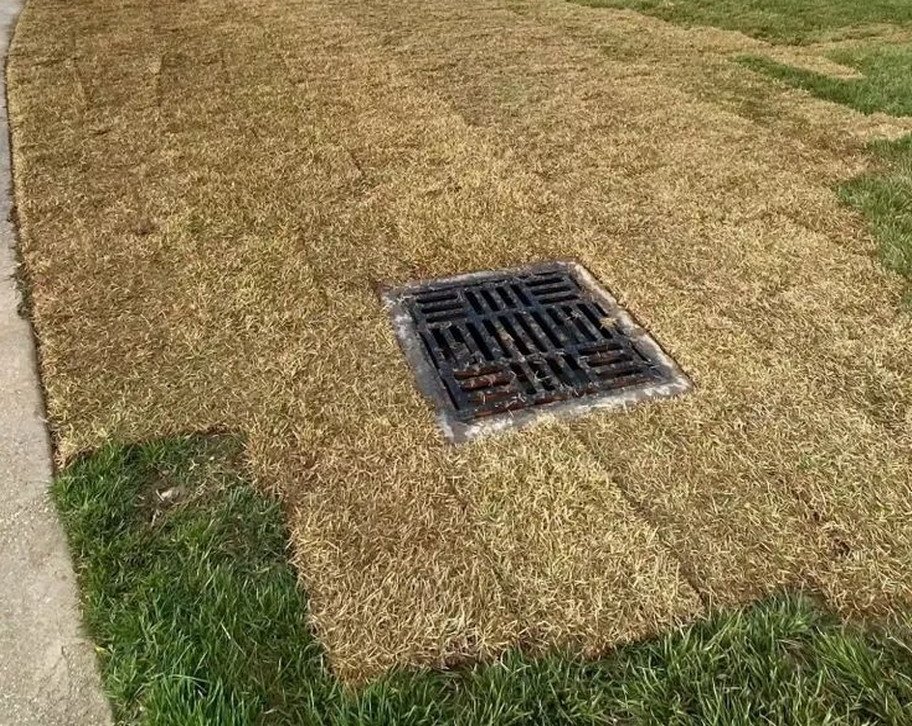
Lawn drainage systems are engineered solutions that prevent water accumulation and direct excess moisture away from vulnerable property areas. These systems use gravity, strategic slopes, underground collection networks, and planned water redirection to manage landscape water flow.
A properly designed drainage system is an invisible network guiding water away from your foundation, out of low-lying areas, and toward appropriate discharge points. The system includes buried pipes, surface channels, shaped land contours, or specialized materials that filter water rather than allowing pooling. Each component works together to keep your property dry and protected.
Fredericton presents specific challenges requiring professional drainage services. Heavy spring rains combined with snowmelt create significant water volumes needing management. The clay-based soils prevalent throughout the region are dense and slow-draining, causing surface water to sit rather than soak in naturally. Freeze-thaw cycles can damage improperly installed systems, while our deep frost line requires careful planning for year-round functionality.
The consequences of inadequate drainage extend beyond muddy lawns. Water pooling near foundations causes soil saturation leading to foundation shifts, cracks, and structural damage. Basement flooding becomes recurring in areas like Devon and Nashwaaksis, where properties face elevated flood risks. Soil erosion strips away topsoil, creating gullies and undermining hardscaping like patios and retaining walls.
Your lawn suffers visibly when drainage fails. Dead patches appear where grass roots drown in saturated soil. Fungal diseases thrive in damp conditions. Standing water breeds mosquitoes and pests, making outdoor spaces unpleasant and hazardous. Slippery walkways become safety concerns when water freezes during Fredericton’s winters.
Most concerning, drainage problems worsen progressively. Small wet spots gradually expand as water finds the path of least resistance. Minor foundation moisture becomes major structural damage. A struggling lawn section spreads to larger areas. Addressing drainage issues promptly prevents escalating problems and exponentially higher costs from delayed action.
French drains rank among the most effective drainage solutions for residential properties dealing with persistent groundwater issues or soggy soil conditions.
A French drain consists of an excavated trench, typically 18 to 24 inches deep and 6 to 12 inches wide. The trench follows a calculated slope, usually one inch of drop per 10 feet—to ensure water flows by gravity to the discharge point. Landscape fabric lines the trench, preventing soil migration while allowing water to pass through.
At the heart sits a perforated pipe, commonly four inches in diameter, resting on a gravel bed with additional gravel surrounding it completely. This gravel layer provides a permeable zone for water flow, protects the pipe from soil pressure, and creates storage capacity during heavy rain.
The landscape fabric wraps over the gravel before backfilling with soil. This prevents fine particles from washing into the gravel and clogging the pipe perforations. Without proper fabric protection, even well-designed French drains fail prematurely.
French drains excel at solving specific drainage challenges:
Persistent wet spots get intercepted at the groundwater source
Properties with high water tables benefit as the drain creates a preferential water pathway
Foundation protection prevents water from reaching building walls
Soggy areas transform into dry, functional spaces
Foundation protection represents a critical application. Installing a French drain alongside your foundation intercepts water before it reaches the building, preventing basement moisture and structural issues. This proves particularly valuable in Fredericton, where spring thaw sends significant water volumes toward foundations as snow melts.
For Fredericton properties, proper installation requires accounting for our 1.5-metre frost line. The system must be positioned deep enough to prevent freezing during winter months when melting snow creates substantial drainage demands.
Atlantic Hardscape and Concrete brings specialized expertise to French drain installation, conducting thorough site assessments to determine optimal trench placement, proper slope calculations, and appropriate discharge locations. Our experience with local clay-based soils ensures we design systems that handle your property’s specific challenges.
Surface drainage systems manage water before it saturates the ground, making them effective for hardscaped areas and properties with adequate slope. These gravity-based approaches redirect water across your property, preventing accumulation in vulnerable locations.
Effective surface drainage starts with proper grading. Your landscape should slope away from buildings at a minimum grade of two per cent, roughly one-quarter inch per foot. This allows water to flow naturally away from foundations rather than pooling against them. Many drainage problems stem from improper grading due to settling, construction activities, or landscapes that were never properly graded.
Atlantic Hardscape and Concrete specializes in correcting grading issues on Fredericton properties. We evaluate your landscape’s contours, identify low spots where water accumulates, and develop regrading plans that establish proper flow patterns. The goal remains consistent: creating surfaces that naturally shed water toward appropriate collection or discharge points.
Channel drains provide linear drainage ideal for driveways, pool areas, patios, and parking lots. These systems consist of a long, narrow trench covered with a grate, creating an attractive drainage line that captures water flowing across the surface. The collected water travels through the channel to a connection point where it enters your underground drainage network or flows to an appropriate discharge location.
Catch basins serve as collection points positioned at low areas in paved surfaces. Water flows across your driveway or patio and enters the catch basin, which connects to underground pipes that carry the water away. These systems prove particularly effective during heavy rainfall when water accumulates quickly on impermeable surfaces. The grates come in various load ratings, from light-duty landscape versions to heavy-duty units capable of supporting vehicle traffic.
Surface drainage systems often work with subsurface options to create comprehensive water management. Water collected by catch basins might flow through underground pipes to a French drain system. Surface grading might direct runoff toward a swale for controlled infiltration. This integrated approach addresses water at multiple points across your property.
Maintenance proves straightforward for surface drainage systems. Keep grates clear of leaves, debris, and winter sand so water can enter freely. Periodic inspection verifies that slopes remain appropriate and settling hasn’t created new low spots. When professionally installed, these systems require minimal intervention while continuously protecting your hardscaping from water damage.
Swales offer an eco-friendly approach to drainage that integrates water management seamlessly into your landscape. Rather than hiding drainage infrastructure, swales make water movement visible while controlling its flow effectively.
A swale is a shallow, gently sloped depression planted with vegetation. Water flows along its length, guided by contours, while infiltrating into the soil. The vegetation slows water movement preventing erosion, creates root channels improving soil permeability, and filters pollutants from runoff.
Berms often partner with swales. These raised areas create elevation changes that direct water toward the swale. Together, they create natural-looking landscape features that manage water using gravity while requiring minimal maintenance.
Effective swale systems need proper design. The depression must be sized for water volume. The slope determines flow speed, gentle slopes encourage infiltration, steeper slopes move water rapidly. Vegetation selection matters significantly, as plants must tolerate wet conditions during rain and dry conditions between storms.
For Fredericton landscapes, native plant species adapted to our climate ensure swales thrive with minimal intervention. Deep-rooted grasses work particularly well, establishing quickly, surviving winters, and creating root channels that improve infiltration.
Swales manage runoff from areas like:
Roof drainage and downspouts
Driveways and parking areas
Expansive lawns
Naturalized garden transitions
Properties seeking sustainable approaches appreciate that swales recharge groundwater, support wildlife, and reduce burden on municipal stormwater systems.
Atlantic Hardscape and Concrete integrates swale designs into comprehensive landscape plans, ensuring they complement your property while managing drainage. We calculate dimensions based on runoff volumes, select suitable vegetation, and construct swales with proper contours to balance water movement with infiltration.
Minimal landscape disruption makes swales attractive for properties where extensive excavation would damage existing features. Once vegetation establishes, maintenance involves seasonal mowing and occasional sediment removal—far less intensive than underground drainage systems.
Dry wells offer an environmentally responsible approach to drainage, capturing and storing water on your property until it gradually infiltrates into the soil. Unlike systems that redirect water elsewhere, dry wells keep water on-site and return it to the natural groundwater cycle.
The system consists of an underground chamber, typically three to five feet in diameter and four to six feet deep, though dimensions vary based on drainage needs. This chamber might be a gravel-filled pit or a prefabricated structure designed for water storage and infiltration. Water enters the dry well through pipes from downspouts, surface drains, or other collection points.
During rainfall, water accumulates in the dry well faster than soil can absorb it. The system provides temporary storage, holding water until it slowly percolates through the gravel or structure openings into the soil. This proves particularly valuable during intense storms when rainfall exceeds natural absorption rates.
The key difference between dry wells and French drains lies in their water management approach. French drains convey water away to a discharge point elsewhere. Dry wells capture and infiltrate water on-site, maintaining natural water balance.
Environmental benefits make dry wells increasingly popular:
Groundwater recharge supports local water tables and vegetation
Natural soil filtration improves water quality before reaching aquifers
Reduced stormwater volume helps prevent downstream flooding
On-site retention maintains natural hydrological balance
However, dry wells aren’t suitable for every property. They require permeable soil—sandy or loamy soils work well, while heavy clay may not infiltrate water quickly enough. The seasonal high water table must remain below the dry well bottom. Systems must be positioned at least 10 feet from buildings to prevent foundation seepage.
Professional assessment is necessary to determine suitability. Atlantic Hardscape and Concrete conducts soil permeability testing, evaluates water table depths, and calculates appropriate sizing based on roof area, rainfall, and infiltration rates. We position systems to maximize effectiveness while maintaining safe distances from structures and complying with local regulations.
Properly designed dry wells handle moderate drainage challenges effectively with minimal maintenance. Connecting pipes need occasional inspection to ensure they remain clear, and the dry well may benefit from periodic flushing to remove sediment. These simple tasks keep systems functioning reliably for years.
Underground drainage pipes provide pathways that convey water from collection points to discharge locations. Understanding pipe types and installation requirements confirms your system functions reliably for decades.
Corrugated plastic tubes represent the most common choice for residential drainage. These black pipes feature a ribbed exterior providing strength and flexibility, allowing them to bend around obstacles without multiple fittings. Available in diameters from three to six inches, with four-inch being standard, these tubes offer an economical method for moving water.
The pipes come in perforated and solid sections, each serving specific purposes. Perforated pipes feature small holes allowing water to enter from surrounding soil, functioning as collection zones in French drains. Solid pipes convey water without collecting additional moisture. Most systems use both types strategically—perforated sections where collection is desired, solid sections for conveyance.
PVC pipes provide a rigid alternative when greater strength is necessary or when systems must maintain precise grades over long distances. These white or grey pipes connect with solvent-welded joints, creating permanent, leak-proof connections. While less flexible than corrugated plastic, PVC offers superior crush resistance where heavy loads might bear on buried pipes.
Proper installation requires careful attention to slope. Drainage pipes must maintain a minimum grade of one per cent—one inch of drop for every eight feet—to confirm gravity moves water effectively. Insufficient slope allows water to pool in low spots, reducing capacity and potentially causing clogs.
For Fredericton properties, installation depth must account for our 1.5-metre frost line. Pipes positioned too shallow risk freezing during winter, blocking flow when spring thaw creates peak drainage demands. Atlantic Hardscape and Concrete confirms all underground drainage infrastructure is installed at appropriate depths to function year-round.
Secure connections between pipe sections prevent separations that would allow soil to enter the system. Quality installations use proper fittings, confirm tight seals, and protect connections during backfilling to maintain system integrity.
Discharge point selection requires thoughtful consideration. Ideal discharge points include:
Natural swales or drainage ditches
Storm sewer connections where permitted
Dry wells or designated infiltration areas
Low-lying areas away from structures and neighbouring properties
Discharge should never direct water toward neighbouring properties or back toward your foundation.
Sump pump systems provide mechanical drainage for basements and crawl spaces, especially in flood-prone areas like Devon and Nashwaaksis with elevated risks from spring flooding and high water tables.
A sump pump installation begins with an 18- to 24-inch basin excavated at your basement’s lowest point. Perforated drainage pipes connect to this basin, collecting water from around the foundation. As water accumulates and rises, it reaches a trigger level that activates the pump.
The pump automatically engages at the preset level, drawing water from the basin and discharging it through pipes that carry it away from your foundation. Once water drops below the trigger point, the pump shuts off. This cycle repeats during wet conditions, providing continuous protection without your intervention.
Two primary pump types serve residential applications:
Pedestal pumps position the motor above the basin, keeping electrical components dry. These prove easier to service but are more visible and sometimes noisier.
Submersible pumps sit directly in the basin, operating underwater. They run more quietly and remain out of sight, though servicing requires removing the unit.
Battery backup systems add critical redundancy. Power outages often coincide with severe storms—exactly when you need drainage protection most. A battery backup pump activates automatically if the primary pump fails or power is lost, confirming continuous protection during emergencies.
Proper sizing confirms your pump can handle your property’s water volumes. Undersized pumps run constantly during heavy rain, wearing out prematurely and potentially failing when most needed. Atlantic Hardscape and Concrete evaluates your property’s specific conditions—soil type, water table depth, foundation size, and flooding patterns—to recommend appropriately sized systems.
The discharge location must prevent pumped water from cycling back to the foundation. Discharge pipes typically extend at least 10 feet from the building, directing water toward appropriate drainage areas or municipal storm systems. In winter, discharge pipes must be protected from freezing to prevent backups.
Integration with other drainage systems creates comprehensive basement waterproofing. Exterior foundation drains collect groundwater before it reaches basement walls, directing it to the sump basin. Interior drain tile systems capture any water that penetrates, channeling it to the pump. This multi-layered approach protects against basement moisture and flooding that plague many Fredericton properties.
Permeable pavers transform traditional hardscaping into active drainage infrastructure. Instead of creating impermeable surfaces that shed rainfall as runoff, these materials allow water to filter through, managing drainage at its source while providing durable surfaces for driveways, patios, and walkways.
The technology works through engineered gaps or porous materials. Some permeable paver systems use solid units with spacing between pavers, allowing water infiltration through gaps. Others incorporate porous materials within the pavers themselves. Beneath either type, layers of progressively larger gravel create storage zones where water accumulates before infiltrating into native soil.
The benefits extend beyond drainage management:
Reduced stormwater runoff decreases strain on municipal drainage systems
Natural filtration improves water quality before reaching groundwater
Cooler surface temperatures reduce heat island effects
Compliance with sustainability requirements and potential regulatory incentives
Many jurisdictions increasingly encourage or require sustainable drainage approaches. Permeable paving satisfies these requirements while providing surfaces that rival traditional hardscaping in longevity and performance. Some areas offer incentives for implementing permeable surfaces.
Design versatility makes permeable pavers attractive for various applications. They’re available in numerous colours, shapes, and patterns, allowing you to create distinctive outdoor spaces. Whether traditional or contemporary, permeable options exist to achieve your vision while managing drainage effectively.
Atlantic Hardscape and Concrete integrates permeable pavers into broader hardscaping projects, recognizing their dual value as aesthetic features and functional drainage infrastructure. We assess your property’s infiltration capacity, design appropriate base layers, and install pavers with proper spacing to confirm long-term performance.
Maintenance requirements remain manageable with proper installation. Periodic sweeping or vacuum cleaning removes debris from gaps or porous surfaces. High-pressure washing clears sediment that reduces infiltration capacity. Avoiding winter sand application preserves permeability. With appropriate care, permeable paving maintains drainage effectiveness and appearance for decades.
The long-term value proves compelling. While initial costs might exceed traditional hardscaping, reduced need for separate drainage infrastructure often offsets the difference. The extended lifespan of properly installed systems, combined with their contribution to property value through improved curb appeal and sustainable features, makes them increasingly popular among property owners.
Selecting the right drainage option requires considering multiple interacting factors. Understanding these variables helps you make informed decisions that actually solve your drainage challenges.
Soil type dramatically influences which approaches work best. Fredericton’s clay-based soils drain slowly, making infiltration options like dry wells less effective unless carefully sized. These dense soils respond better to French drains that actively redirect water. Sandy or loamy soils offer better infiltration, supporting a wider range of approaches including dry wells and rain gardens.
Property slope determines how water naturally moves. Properties with good slope can use simpler surface drainage methods. Flat or bowl-shaped properties require more sophisticated subsurface systems. Consider whether you’re collecting neighbourhood runoff or shedding water toward lower adjacent properties.
Problem severity and location guide system selection. Persistent standing water indicates high water tables requiring different approaches than occasional pooling after heavy rains. Foundation intrusion demands comprehensive responses, while soggy lawns might need less intensive interventions. Year-round wet spots signal different problems than seasonal spring issues.
Existing landscape features influence what’s possible:
Mature trees limit excavation without root damage
Existing hardscaping constrains installation options
Underground utilities require careful navigation
Property boundaries may restrict certain approaches
Atlantic Hardscape and Concrete maps these constraints during site assessment, designing systems that work within your property’s realities.
Budget affects immediate choices and long-term value. Simple approaches like regrading cost less initially but might not resolve complex challenges. Comprehensive systems require larger upfront investments but provide more reliable protection. Balance current affordability against long-term inadequate drainage costs—foundation repairs far exceed proper drainage system costs.
Aesthetic preferences matter significantly. Some approaches remain largely invisible, while others become visible features. Swales create naturalized appearances. Channel drains feature visible grates that must coordinate with hardscaping. Permeable pavers serve dual purposes. You shouldn’t choose between effective drainage and attractive landscapes—the right approach accomplishes both.
Comprehensive drainage typically requires multiple systems working together. Surface grading directs water toward collection points. French drains intercept groundwater. Dry wells provide infiltration capacity. Permeable surfaces reduce runoff at the source. This integrated approach creates redundancy maintaining function even during challenging conditions.
Professional assessment proves invaluable for navigating these decisions. Atlantic Hardscape and Concrete brings 15 years of experience evaluating Fredericton properties, understanding how local soil, climate, and topography create drainage challenges. We conduct thorough evaluations including soil analysis, water table determination, slope measurements, and drainage pattern observation.
Red flags requiring immediate professional attention include:
Water regularly appearing near foundations
Basement moisture or visible water infiltration
Year-round standing water in specific areas
Erosion undermining structures or hardscaping
These situations worsen with time. Delaying intervention leads to exponentially higher costs as minor issues become major structural concerns.
The DIY versus professional decision hinges on complexity and long-term implications. Simple surface improvements might suit capable homeowners, but subsurface systems require precise slope calculations, proper material selection, and installation expertise. The difference between a properly installed French drain functioning for decades and an amateur attempt clogging within years often comes down to details invisible once the trench is backfilled.
No single drainage system qualifies as universally “best” because effectiveness depends entirely on your property’s specific conditions. French drains offer exceptional versatility for most residential applications, handling groundwater issues, protecting foundations, and eliminating soggy areas effectively. However, properties with different challenges might benefit more from surface drainage, dry wells, or integrated approaches combining multiple system types. The most effective method comes from professional assessment that matches drainage options to your soil composition, topography, water table depth, and specific problem areas. Atlantic Hardscape and Concrete designs customized systems based on thorough site evaluation rather than one-size-fits-all approaches.
Drainage installation costs vary significantly based on system type, your property’s size, drainage problem severity, and existing soil conditions. Basic French drain installations for small problem areas represent different investments than comprehensive multi-system approaches protecting entire properties. Surface drainage corrections through regrading cost differently than subsurface systems requiring extensive excavation. The perspective recognizes that proper drainage prevents far more expensive foundation repairs, basement waterproofing, and landscape restoration. Atlantic Hardscape and Concrete provides detailed project quotes following site assessment, confirming you understand exactly what your specific situation requires. We focus on long-term value rather than simply lowest initial cost.
Several warning signs indicate drainage problems requiring professional attention. Standing water that persists more than 24 hours after rainfall signals inadequate drainage capacity. Soggy lawn areas that feel spongy underfoot or show stress from oversaturation need intervention. Water appearing near foundations or basement moisture issues demand immediate assessment to prevent structural damage. Visible erosion, dead grass patches following wet periods, and increased mosquito activity all point to drainage deficiencies. The distinction between seasonal issues occurring primarily during spring thaw versus year-round problems indicates different severity levels. Don’t wait until minor drainage concerns become major property damage. Contact Atlantic Hardscape and Concrete for comprehensive evaluation that identifies problems before they escalate.
Properly designed and installed drainage systems absolutely function effectively throughout Fredericton’s winters when they account for our region’s 1.5-metre frost line and extreme temperature fluctuations. The factor lies in installation depth and technique. Systems positioned below the frost line continue operating even during our coldest periods, preventing the freezing issues that compromise shallow installations. Atlantic Hardscape and Concrete’s 15 years of local experience means we understand exactly how Fredericton’s climate affects drainage infrastructure. We install systems at appropriate depths with materials and methods proven to handle freeze-thaw cycles reliably. Seasonal maintenance like fall cleaning removes debris before winter, optimizing performance when spring thaw creates peak drainage demands.
GET STARTED
Your dream space is within reach as we work together from detailed 3-D designs to the final custom build. Our process is both professional and exciting, and we look forward to taking this journey with you.
Contact
34 Jackstraw Court, Fredericton, NB, Canada, New Brunswick
