You step outside on a crisp spring morning in Fredericton, ready to enjoy your coffee on the patio, when you notice something unsettling. Your once-pristine concrete walkway now sports a web of fine cracks, patches of discolouration, and rough, flaky spots where the surface has started to peel away. After enduring another harsh Atlantic Canadian winter, your walkway is showing its age.
The question hits you immediately: “Do I need to tear this out and start over, or can it be saved?” It’s a dilemma many property owners face, and the answer isn’t always straightforward. The good news? You don’t always need to resort to the time-consuming, expensive process of complete replacement. Concrete resurfacing offers a professional, cost-effective alternative that can restore both the appearance and durability of your walkway without the disruption of demolition.
The decision between resurfacing and replacement depends on two critical factors: the severity of the damage you’re seeing and the structural integrity of what lies beneath. Surface-level issues like cosmetic cracks, discolouration, and minor scaling can often be addressed beautifully through resurfacing, while deeper structural problems require a more comprehensive approach.
At Atlantic Hardscape and Concrete, we’ve spent over 15 years helping Fredericton homeowners and commercial property owners navigate exactly this decision. Our team understands how the local climate affects concrete and can quickly assess whether your walkway is a candidate for resurfacing or truly needs replacement. In this article, we’ll walk you through the key factors that determine which option is right for your property, helping you make an informed decision that balances cost, longevity, and aesthetic appeal.
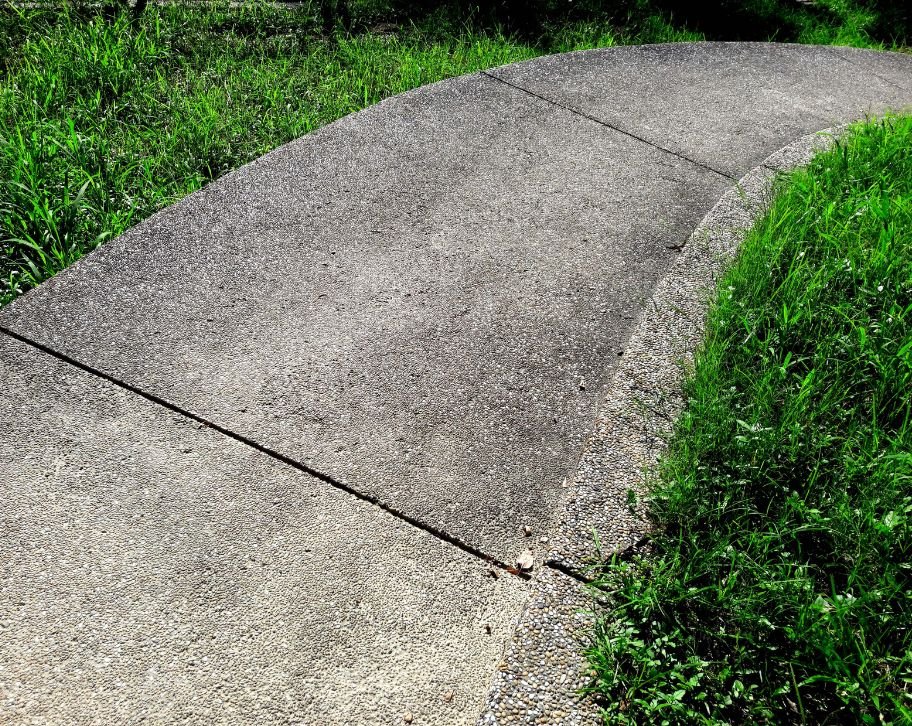
Concrete resurfacing is a specialized restoration process that involves applying a fresh cement-based overlay directly onto your existing concrete surface. Think of it as giving your walkway a new skin rather than performing major surgery. This technique allows property owners to dramatically improve the appearance and extend the life of their walkways without the expense and hassle of complete removal and replacement.
The resurfacing process involves applying a thin layer, typically between 1/8 and 1/4 inch thick, of polymer-modified cement mixture over structurally sound concrete. This isn’t the same as simply patching a crack here and there or applying a basic concrete sealer. It’s a comprehensive surface renewal that addresses multiple cosmetic issues simultaneously while adding a protective barrier against future damage.
The materials used in professional resurfacing are far more sophisticated than standard concrete. Atlantic Hardscape and Concrete uses polymer-modified cement mixtures that contain special bonding agents designed to create superior adhesion between the new overlay and your existing walkway. These advanced formulations also provide enhanced flexibility, which is particularly important in Fredericton’s climate where freeze-thaw cycles can stress rigid materials.
Resurfacing effectively addresses several common problems that plague aging concrete walkways:
Surface discolouration from weathering, oil stains, or rust can be completely covered
Fine cracks known as crazing, those spider-web patterns that appear on the surface but don’t penetrate deeply, disappear beneath the new layer
Light scaling (where the top layer flakes off) and minor pitting from years of exposure to de-icing salts can be smoothed over and sealed
One of the most appealing aspects of resurfacing is the aesthetic customization it offers. Atlantic Hardscape and Concrete can provide textured finishes that improve slip resistance, integral colours that complement your home’s exterior, and even decorative patterns that mimic more expensive materials like natural stone or slate. This means you’re not just fixing problems, you’re potentially upgrading your property’s curb appeal significantly.
It’s important to understand what resurfacing is not. It’s distinctly different from full replacement, which involves breaking up and hauling away your old concrete, re-grading the sub-base, and pouring an entirely new slab. Replacement is a multi-day project that leaves your property looking like a construction zone. Resurfacing, by contrast, can typically be completed in a matter of days, with the walkway ready for light foot traffic within 24 hours.
Professional resurfacing by Atlantic Hardscape and Concrete makes certain that every critical step is handled correctly, from thorough surface preparation and proper material selection to expert application techniques specifically suited to our local climate conditions. This attention to detail is what separates a resurfacing job that lasts for years from one that fails prematurely.
Resurfacing shines as the ideal option when your walkway’s problems are primarily cosmetic rather than structural. If the concrete beneath the surface damage remains solid and stable, resurfacing can deliver impressive results at a fraction of replacement costs.
Cosmetic damage without structural compromise is the perfect scenario for resurfacing. This includes surface-level discolouration from years of sun exposure, fading that makes your walkway look tired and aged, minor staining from leaves or lawn chemicals, and general weathering that has dulled the original finish. When the concrete itself remains strong but simply looks worn out, resurfacing provides a fresh, uniform appearance that can make your property look years younger.
Fine surface cracks, particularly the type called crazing, are excellent candidates for resurfacing. These hairline cracks form a delicate spider-web pattern across the surface but don’t penetrate through the entire thickness of the slab. They’re typically caused by rapid drying during the curing process or minor surface shrinkage. While they may look concerning, they’re usually not structural threats and can be effectively covered and sealed with a quality resurfacing overlay.
Light scaling or spalling, those annoying patches where the surface layer flakes or chips away, responds beautifully to resurfacing. This type of damage is particularly common in Atlantic Canada due to our freeze-thaw cycles. When water seeps into the concrete’s pores, freezes, and expands, it can pop off the top layer of cement paste. If this damage hasn’t progressed too deeply, resurfacing creates a new, more durable surface that’s better protected against future freeze-thaw damage.
Uneven texture concerns also make resurfacing worthwhile. Perhaps your walkway has rough patches that catch on shoes, or minor surface irregularities that collect water and dirt. As long as the underlying base remains solid and level, resurfacing can smooth these imperfections, creating a safer, more attractive surface that’s easier to maintain.
Many property owners choose resurfacing specifically for an aesthetic upgrade. If you’re planning to sell your home or simply want to improve your property’s curb appeal, resurfacing offers remarkable value. Atlantic Hardscape and Concrete can transform a plain, grey concrete walkway into a decorative feature with custom colours, textures, or patterns, all without the expense of installing natural stone or pavers.
Budget considerations often make resurfacing the smart choice. Professional resurfacing typically costs 30-50% less than complete replacement while delivering many of the same visual benefits. For homeowners and commercial property managers working within financial constraints, this cost difference can be significant, especially when the underlying concrete structure is sound.
Time constraints also favour resurfacing. Atlantic Hardscape and Concrete can complete most resurfacing projects in just a few days, and walkways are typically ready for light use within 24 hours. Compare this to replacement, which can take weeks when you factor in demolition, disposal, sub-base preparation, pouring, and curing time. For busy commercial properties or homeowners who can’t afford extended disruption, resurfacing offers a practical timeline.
There’s also an environmental responsibility angle. Choosing to resurface rather than replace keeps thousands of pounds of old concrete out of New Brunswick landfills. It also reduces the carbon footprint associated with producing and transporting new concrete, a material whose production is notably energy-intensive.
Atlantic Hardscape and Concrete’s professional assessment is the critical first step in determining whether your walkway has the structural integrity necessary for successful resurfacing. Our long experience in Fredericton means we understand exactly how local climate conditions affect concrete and can recommend the approach that will deliver the best long-term value for your specific situation.
While resurfacing offers excellent value in many situations, there are clear warning signs that indicate your walkway needs complete replacement rather than a surface fix. Recognizing these signs early can save you from investing in a resurfacing project that won’t deliver lasting results.
Structural cracks are the most obvious disqualifier for resurfacing. These are deep cracks that penetrate through the entire thickness of the slab, often running in relatively straight lines across the walkway. Unlike fine surface crazing, structural cracks indicate that the concrete itself has failed. If you resurface over these cracks, they’ll inevitably “reflect” through the new overlay, sometimes within a single season, and continue to worsen. No amount of surface treatment can fix a crack that goes all the way through.
Significant heaving or settling signals serious foundation problems that resurfacing cannot address. Heaving occurs when the concrete lifts unevenly, typically due to frost action pushing from below. You might notice sections of your walkway that are higher than they used to be, creating trip hazards. Conversely, settling happens when the soil beneath erodes or compacts, causing sections to sink. Both conditions indicate that the sub-base, the foundation beneath your concrete, has become unstable. Applying a new surface over an unstable base is like putting a fresh coat of paint on a house with a crumbling foundation.
Extensive and pervasive damage throughout the walkway makes resurfacing impractical. If you’re seeing severe crumbling across large areas, widespread spalling that has eaten deeply into the concrete, or deterioration that affects the majority of the surface rather than isolated spots, the concrete has likely reached the end of its serviceable life. At this point, the base material can no longer provide the stable substrate that resurfacing requires.
Unstable or eroded sub-base conditions become evident when you notice voids beneath the slab. You might hear a hollow sound when walking on certain sections, or see the concrete rock slightly when stepped on. These signs indicate that the soil beneath has washed away or shifted, leaving gaps. Without a solid, continuous foundation, any surface treatment will eventually fail as the unsupported concrete continues to crack and settle.
Crumbling edges are particularly telling. When the sides of your walkway are breaking apart or disintegrating, it indicates that the concrete throughout has become weak and porous. This type of deterioration typically results from years of exposure to moisture, freeze-thaw cycles, and de-icing chemicals that have penetrated deeply into the material. Concrete in this condition cannot support an overlay effectively.
Previous failed repairs should raise red flags. If earlier resurfacing or patching attempts have delaminated (peeled away from the base concrete) or failed within a few years, it strongly suggests the underlying concrete cannot support overlays. This might be due to poor bonding characteristics of the old concrete, ongoing structural movement, or persistent moisture problems.
Safety hazards demand immediate attention and often require replacement. Severe trip hazards created by uneven sections, large voids underneath the slab that could collapse, or structural instability that poses genuine risks to pedestrians cannot be responsibly addressed with surface treatments alone.
Atlantic Hardscape and Concrete takes an honest, customer-focused approach to these assessments. We recommend replacement when it’s truly necessary for long-term durability and safety, not as an upselling tactic. While replacement carries a higher upfront cost than resurfacing, it can actually be more cost-effective over the long term by eliminating the cycle of repeated repairs and providing decades of trouble-free service.
When replacement is needed, our team handles the entire project with the same quality craftsmanship and attention to detail we bring to every job. We use durable materials and proper installation techniques specifically suited to Fredericton’s challenging climate, making sure your new walkway will serve you well for long time.
The decision between resurfacing and replacing your concrete walkway hinges on one critical factor: the structural integrity of the existing concrete beneath any surface damage. Cosmetic issues like discolouration, fine cracks, and light scaling are excellent candidates for resurfacing, while deep structural cracks, heaving, settling, and pervasive deterioration require complete replacement.
Professional assessment is essential because appearances can be deceiving. What looks like minor surface damage might indicate deeper structural issues lurking beneath, and conversely, what appears to be severe damage might actually be superficial and easily corrected through resurfacing. Atlantic Hardscape and Concrete’s 15+ years of expertise in evaluating concrete walkways throughout Fredericton and surrounding areas means we can quickly identify which option will deliver the best long-term value for your property.
Our commitment to honest recommendations sets us apart. We prioritize your long-term satisfaction over short-term profits, which means we’ll recommend replacement when it’s truly necessary and resurfacing when it will genuinely solve your problems. Whether your walkway needs resurfacing or replacement, our team delivers quality workmanship using premium materials and proven techniques specifically suited to Atlantic Canada’s demanding climate.
Don’t let uncertainty about your walkway’s condition keep you from taking action. Contact Atlantic Hardscape and Concrete today for a professional assessment and customized approach that fits both your needs and your budget. We’ll help you make the right decision for your property’s long-term value and curb appeal.
With proper maintenance and regular sealing, a professionally resurfaced concrete walkway typically lasts 10-15 years in Fredericton’s challenging climate. The longevity depends heavily on the quality of materials used and the expertise of the installation, factors where Atlantic Hardscape and Concrete excels. Our region’s freeze-thaw cycles can be tough on concrete surfaces, which is why we use polymer-modified resurfacers specifically formulated for Canadian conditions. Regular sealing every 3-5 years creates a protective barrier against moisture penetration and de-icing salts, significantly extending the life of your resurfaced walkway.
While DIY resurfacing products are available at home improvement stores, the risks of improper application often outweigh any cost savings. Common DIY mistakes include inadequate surface preparation, incorrect material mixing ratios, poor bonding, and improper finishing techniques, all of which lead to premature failure. Atlantic Hardscape and Concrete brings specialized equipment like commercial-grade pressure washers and grinders, along with access to professional-grade resurfacing materials not available to homeowners. Our 15+ years of experience means proper techniques that prevent expensive future repairs. The cost savings of professional work that lasts 10+ years versus a DIY job that fails within 2-3 years makes professional installation the smarter investment.
Maintaining a resurfaced walkway is straightforward but essential for longevity. Regular cleaning with sweeping and occasional rinsing prevents dirt and debris from grinding into the surface. During Fredericton’s winters, avoid harsh de-icing salts like calcium chloride and rock salt, which can damage the surface, use sand or pet-safe alternatives instead for traction. Re-seal your walkway every 3-5 years to maintain the protective barrier against moisture, UV damage, and chemical exposure. Use plastic shovels rather than metal ones to prevent scratching decorative finishes. Atlantic Hardscape and Concrete provides specific maintenance guidance tailored to your walkway’s particular finish and exposure conditions, helping you get maximum life from your investment.
GET STARTED
Your dream space is within reach as we work together from detailed 3-D designs to the final custom build. Our process is both professional and exciting, and we look forward to taking this journey with you.
Contact
34 Jackstraw Court, Fredericton, NB, Canada, New Brunswick
