Have you ever watched water pool stubbornly in the same spot after every rainfall, despite installing what you thought was a proper drainage solution? Does your basement show moisture stains that reappear season after season, no matter how many quick fixes you attempt?
A failing yard drainage system shows key signs including standing water 24+ hours after rain, basement moisture stains, soil erosion around your foundation, and soggy lawn areas that never dry out. These recurring problems signal that something deeper is wrong with your property’s water management. Most drainage failures stem from preventable design flaws, inadequate materials, or a fundamental misunderstanding of how water behaves on your specific property.
A failing yard drainage system isn’t just an inconvenience. In Fredericton and surrounding areas, where spring snowmelt and summer storms test every property, poor drainage threatens your foundation, erodes your landscape, and can cost thousands in emergency repairs. The good news is that understanding why systems fail is the first step toward implementing a solution that actually works.
This article examines the three primary reasons drainage systems underperform and provides practical guidance for property owners ready to solve their water problems permanently.
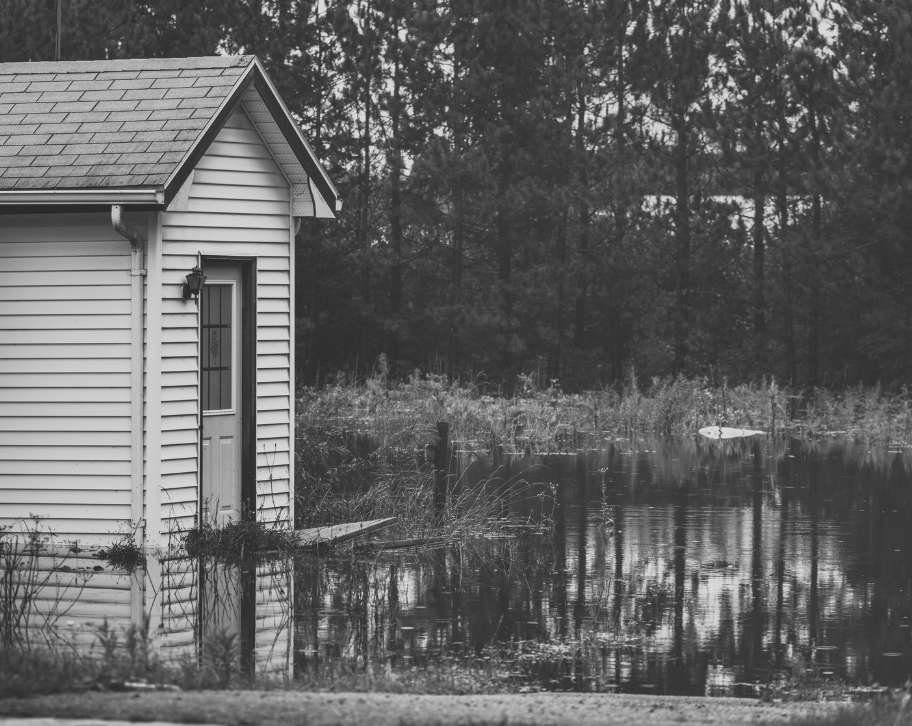
Proper grading establishes the baseline for all effective drainage. Without the correct slope directing water away from structures, even the most expensive underground systems will fail.
Water moves by gravity. For natural drainage to occur, your property needs a minimum slope of 1% grade (approximately one-quarter inch of drop per foot of distance). This seemingly small measurement makes the difference between water flowing away from your home and water pooling against your foundation.
Many properties in Fredericton were graded correctly during initial construction but have settled over time. Soil naturally compacts under its own weight, especially after heavy equipment compresses it during building. New landscaping features like gardens, patios, or retaining walls can also disrupt the original drainage pattern, creating low spots where water collects. Improper downspout extensions that discharge too close to the foundation compound these grading problems by concentrating roof runoff directly against vulnerable areas.
The consequences of improper grading extend beyond surface puddles. When water flows toward your foundation instead of away from it, hydrostatic pressure builds against basement walls. This pressure forces moisture through microscopic cracks, leading to dampness, mould growth, and structural damage that compounds with each freeze-thaw cycle.
Common grading problems include:
Negative slope toward the house: The ground slopes back toward the foundation, funneling water directly to the most vulnerable area of your property
Flat areas with no slope: Water has nowhere to go and simply sits on the surface until it slowly infiltrates or evaporates
Depressions and low spots: These act as collection basins, creating persistently soggy areas that kill grass and attract mosquitoes
Correcting grading issues requires precision measurement and strategic soil placement. Professional contractors use laser levels to establish accurate slopes and ensure water flows to designated collection points or safe discharge areas. In Fredericton’s clay-heavy soils, proper compaction during regrading is critical to prevent future settling that would recreate the original problem.
French drains intercept groundwater before it reaches vulnerable areas, but only when installed correctly with proper materials. Many subsurface drainage failures result from shortcuts taken during installation.
The most common failure point is inadequate filtration. A French drain consists of perforated pipe surrounded by gravel, designed to collect water from the surrounding soil. Without commercial-grade landscape fabric completely encasing the gravel and pipe (a technique called “burrito-wrap”), fine soil particles migrate into the system over time. Clay soils are particularly problematic because their tiny particles easily pass through standard hardware store fabric.
Once soil infiltrates the gravel bed, it clogs the spaces between stones, preventing water from reaching the pipe. The system essentially becomes sealed off from the very water it was designed to collect. This process accelerates in Fredericton’s clay-heavy soils, where even small amounts of sediment can render a drain ineffective within a few years.
Fredericton’s climate creates additional challenges:
Deep frost line: Pipes installed too shallow can be crushed by frost heaving or become blocked by ice formation
Spring snowmelt volume: Systems designed for average rainfall become overwhelmed when several feet of accumulated snow melts rapidly, creating runoff volumes that exceed pipe capacity
Clay soil saturation: During prolonged wet periods, clay soils become completely saturated, preventing any additional water absorption and forcing all moisture to flow through the drainage system
Another critical failure point is inadequate pipe slope. Even perforated drainage pipe requires a minimum 1% slope to function properly. If the trench was dug without proper leveling, water will pool in low spots within the pipe itself, creating stagnant sections that eventually fill with sediment.
Single-solution approaches also fail during extreme weather events. A property relying solely on a French drain along one side of the house has no backup when that system becomes temporarily overwhelmed. Professional installations incorporate multiple drainage methods working together, providing redundancy that keeps water moving even during the heaviest storms. For basement drainage issues, a properly installed sump pump provides critical backup protection by actively removing water that accumulates below the foundation level, especially during power outages when passive drainage systems face their greatest challenge.
Managing water at the surface before it infiltrates reduces the burden on subsurface systems and prevents the saturation that leads to drainage failure.
Channel drains capture flowing water before it reaches problem areas. These linear grated trenches are particularly effective along driveways, at the base of slopes, and around patios where water sheets across hard surfaces. By intercepting runoff at the source, channel drains prevent the concentrated flow that can overwhelm French drains or erode soil around foundations.
The strategic placement of channel drains creates a first line of defense. Water flowing across a driveway enters the grated opening and is immediately redirected to an underground discharge pipe, never reaching the lawn or foundation area. This approach is especially valuable during heavy rainfall when surface runoff volume exceeds what the soil can absorb. Catch basins positioned at key collection points provide additional capacity for temporarily storing water during peak flow periods, allowing it to drain gradually into subsurface systems without overwhelming them.
Gutter and downspout management is essential for preventing drainage system failure. Roof runoff represents a massive concentrated water source that can deliver thousands of gallons directly to your foundation if not properly managed. Downspout extensions should discharge at least 10 feet from the foundation, directing water toward swales or other drainage features. Vegetated swales create attractive landscape elements that channel surface water away from structures while allowing gradual infiltration, reducing the volume that subsurface systems must handle. Rain gardens positioned at the end of swales provide natural filtration and additional storage capacity during storm events.
Permeable surfaces allow water infiltration where it falls, dramatically reducing the volume of runoff that drainage systems must handle. Permeable pavers feature wide joints filled with stone or sand that let water pass through to the base material below. For properties with suitable soil conditions, this approach can reduce surface runoff by 80% or more compared to solid concrete or asphalt.
However, permeable surfaces require proper base preparation to function in Fredericton’s climate. The base must extend below the frost line and include adequate drainage to prevent water from freezing and causing heaving. In clay soils with poor infiltration, permeable pavers may need to be connected to subsurface drainage to prevent the base from becoming saturated.
Integrated multi-system approaches provide the redundancy that prevents total failure:
Surface grading directs water away from structures and toward collection points
Channel drains intercept concentrated flow before it causes erosion
French drains handle subsurface water and overflow from surface systems
Dry wells provide additional storage capacity during extreme weather events
This layered strategy ensures that if one component becomes temporarily overwhelmed, the others continue protecting your property. During a typical rainstorm, surface grading and permeable surfaces may handle most water movement. During spring snowmelt or a severe summer storm, the subsurface systems activate to manage the excess volume.
Atlantic Hardscape and Concrete brings over 15 years of Fredericton-specific drainage expertise to every project. We understand how clay soils, deep frost lines, and intense seasonal weather patterns affect drainage performance because we work with these conditions every day.
Our approach begins with a thorough site assessment that identifies exactly why your current system is failing. We measure slopes, analyze soil composition, determine water table levels, and identify all the factors contributing to your drainage problems. This diagnostic process ensures we design a solution tailored to your property’s specific conditions rather than applying a generic approach.
We use commercial-grade materials built to withstand New Brunswick’s demanding climate. Our French drain installations feature proper burrito-wrap encapsulation that prevents clogging, and all subsurface components are positioned below the frost line. Permeable paving installations include frost-resistant bases and durable edge restraints that maintain structural integrity through countless freeze-thaw cycles.
We design integrated systems with built-in redundancy. Your property receives multiple layers of protection working together, so no single component bears the entire drainage load. This approach delivers the 20 to 30 years of reliable performance that protects your investment and eliminates recurring water problems.
Contact Atlantic Hardscape and Concrete a professional drainage assessment. Let us show you how proper design, quality materials, and local expertise create drainage solutions that actually work.
A professionally installed drainage system using quality materials and correct installation methods should provide 20 to 30 years or more of reliable performance. Annual maintenance inspections, particularly before spring snowmelt, help extend system life by identifying minor issues before they become major problems. Seasonal clearing of grates and periodic flushing of clean-out points prevent debris accumulation that can reduce system effectiveness over time.
Adding topsoil without correcting the underlying slope and drainage issues creates only a temporary cosmetic fix. The water problem remains beneath the new soil layer, and you’ll soon see the same pooling and soggy conditions reappear. Effective drainage repair requires addressing root causes like improper grading, compacted soil, or inadequate subsurface systems. Simply covering the problem with more soil wastes money and delays the permanent solution your property needs.
Standing water that persists more than 24 hours after rainfall indicates your drainage system cannot handle the water volume or has become blocked. Soggy, spongy lawn areas that feel soft underfoot signal subsurface saturation. Basement moisture, water stains on foundation walls, or efflorescence (white powdery residue) show that water is pooling against your home rather than being diverted away. Soil erosion, small gullies forming in your landscape, or unusually lush grass patches in specific areas all point to drainage problems requiring professional attention.
Fredericton’s intense spring snowmelt creates runoff volumes far exceeding typical rainfall, overwhelming systems designed only for average conditions. The region’s clay-heavy soils resist water absorption, causing surface pooling and subsurface saturation that standard drainage approaches cannot handle. Deep frost penetration requires all subsurface components to be installed below the frost line to prevent crushing and ice blockages. These regional factors make local expertise critical for designing drainage systems that perform reliably year after year.
Professional installation costs a fraction of the emergency foundation repairs that result from failed drainage. Foundation repair in the Fredericton area easily exceeds $15,000, while basement waterproofing systems start at $5,000 and escalate quickly. A properly designed drainage system prevents these expensive problems and is engineered to last decades. DIY approaches often fail within a few years due to inadequate materials, incorrect slope, or poor understanding of local soil and climate conditions, costing more when professional correction becomes necessary.
GET STARTED
Your dream space is within reach as we work together from detailed 3-D designs to the final custom build. Our process is both professional and exciting, and we look forward to taking this journey with you.
Contact
34 Jackstraw Court, Fredericton, NB, Canada, New Brunswick
