Why do some property owners manage to keep their driveways and lawns pristine year after year while others face costly spring masonry repairs? Simple autumn oversights can compromise outdoor investments over time. Following a complete yard-preparation checklist before the initial snowfall allows property owners to protect hardscape structures, lawn turf, and garden plants from severe winter weather.
Executing a systematic autumn outdoor maintenance routine protects structural investments from expensive repairs. This guide covers hardscape sealing, lawn turf maintenance, garden bed mulching, and outdoor plumbing deactivation. Protecting exterior spaces requires timely preparation before ground temperatures drop below freezing.
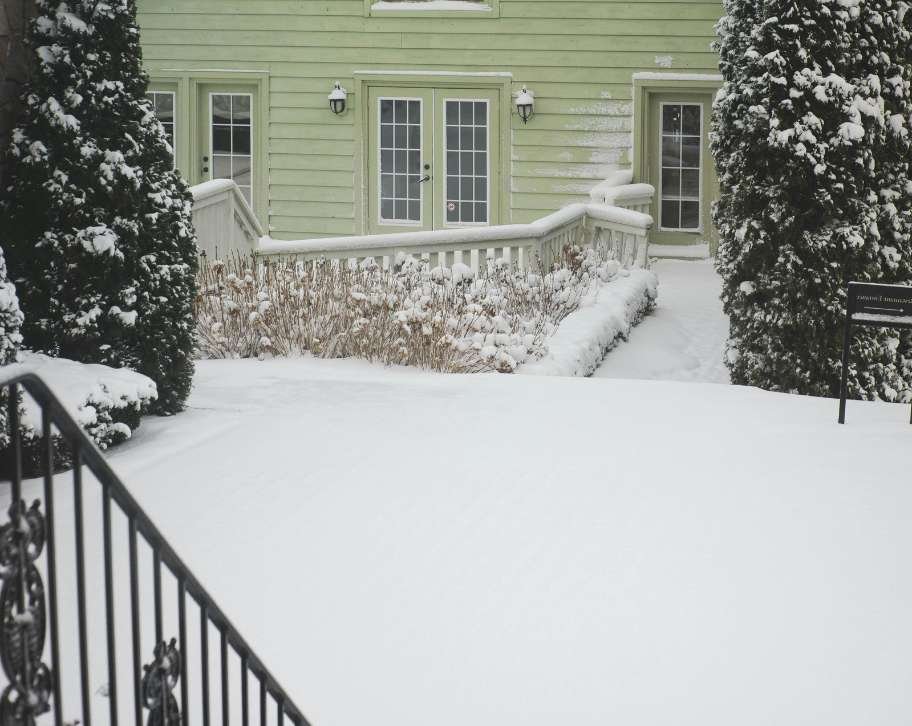
Hardscapes are protected from freeze-thaw damage by sealing surface pores, filling structural masonry cracks, replacing eroded joint sand, and selecting safe de-icing agents. When water penetrates concrete or stone surfaces, cold winter temperatures cause trapped moisture to freeze and expand. Preventative surface treatment blocks water entry before deep ground freezing occurs.
According to technical research from the National Concrete Pavement Technology Center, water expands by approximately 9 percent upon freezing, generating massive internal hydraulic pressure within concrete pores. This pressure causes surface spalling, flaking, and structural cracking across driveways and walkways. Interlocking pavers also suffer when joint sand washes away, allowing water to pool underneath and cause Severe frost heaving can help prevent damage to your landscape during winter storms..
Applying a flexible polyurethane joint sealant inside open masonry cracks prevents meltwater from seeping into the sub-base. Rigid fillers snap during thermal expansion, making flexible compounds necessary for long-term durability. Treating clean concrete and natural stone with a breathable silane or siloxane penetrating sealer forms a hydrophobic barrier. This barrier repels liquid water while allowing interior vapour to escape, preserving natural surface traction.
Managing chemical de-icers protects hardscape surfaces from chemical breakdown. Rock salt lowers the freezing point of water to minus 9 degrees Celsius, causing frequent freeze-thaw cycles that break down concrete. Using Calcium Magnesium Acetate or Magnesium Chloride offers protection down to minus 15 degrees Celsius with significantly less chemical impact on masonry.
A complete yard-preparation checklist before the initial snowfall requires systematic attention to hardscape jointing and protective surface sealers. Completing these tasks in early autumn prepares stone and concrete elements for severe freezing cycles.
Pressure wash concrete and interlock paver surfaces at 1,500 to 2,000 PSI to clear organic leaf stains, soil, and moss. Washing surface pores removes trapped debris that holds moisture against the hardscape. Allow all surfaces to dry completely for at least 24 hours before proceeding with joint maintenance.
Clean damaged or eroded joint sand out of paver gaps to a depth of at least 2.5 centimetres. Removing old sand makes room for fresh material that locks pavers together. Clean gaps prevent pavers from shifting under heavy snow loads.
Sweep high-performance polymeric sand into paver joints, compacting the sand thoroughly into every gap before sweeping off surface dust. Lightly mist the area with water to activate the binding agents within the sand. This process creates an impermeable barrier against rain and meltwater, helping to protect your home during winter storms.
Seal all structural or hairline cracks in poured concrete driveways Using a flexible polyurethane masonry sealant can help prevent water damage during winter storms. Wire brush the cracks beforehand to remove loose sand and dirt. Flexible sealants move naturally with temperature shifts without cracking open.
Apply a breathable silane or siloxane penetrating sealer over clean, dry hardscape surfaces using a low-pressure sprayer. The sealer bonds below the surface matrix to repel water and ice-melting chemicals. Ensure the sealer cures for 24 hours prior to freezing precipitation.
Preparing your lawn before the initial snowfall involves reducing grass blade height, clearing heavy leaf mats, performing core aeration, and applying potassium-rich fall fertilizer. Cold-season turfgrasses enter dormancy in late autumn and rely on stored root energy to survive sub-zero weather. Strategic turf care ensures grass crowns remain healthy throughout extended winter months.
Research published by the University of Minnesota Extension shows that lowering turf height to 5 centimetres during final autumn cuts can help prevent disease risk in your landscape. Tall grass blades bend and mat down under heavy snowpack, creating a dark microclimate ideal for fungal growth. Conversely, cutting grass shorter than 3.8 centimetres damages the turf crown and exposes root structures to dry freezing winds.
Removing fallen leaves from your yard for winter prevents grass crowns from suffocating under wet blankets of organic matter. Thin layers of dry leaves can be shredded using a mulching mower to return organic matter to the soil. Heavy leaf mats must be raked and removed, as trapped moisture under frozen leaves kills grass patches and invites winter turf disease.
Core aeration relieves soil compaction caused by summer foot traffic and heavy rains. A mechanical hollow-tine aerator pulls soil plugs out of the lawn, opening channels for oxygen, water, and nutrients to reach deep roots. Following aeration with cool-season overseeding and potassium-focused winterizer fertilizer builds cold hardiness and supports rapid spring recovery.
Following a complete yard-preparation checklist before the initial snowfall helps property owners maintain healthy turfgrass through cold Maritime winters. Executing these steps in sequence protects root health and prevents widespread spring lawn repair.
Complete a final mowing pass that lowers turfgrass height to 5 centimetres to deter grey and pink snow mould fungi. Use sharp mower blades to make clean cuts across the grass tips. Clean cuts reduce plant stress before winter dormancy takes hold.
Clear heavy leaf blankets from lawn surfaces by raking, vacuuming, or bagging organic debris. Shred light leaf scattering with a mulching mower so fine particles settle into the soil. Clearing leaves ensures grass crowns receive adequate sunlight and air circulation until the ground freezes.
Perform core aeration by pulling soil plugs 5 to 7.5 centimetres deep across compacted lawn areas. Aeration opens tight clay soils and improves water infiltration into the root zone. Enhanced drainage prevents surface water from pooling and freezing into ice sheets over the turf.
Overseed thin or bare lawn areas in your yard for winter with cold-tolerant grass seed blends like Kentucky Bluegrass and Fine Fescues. Seeding directly after core aeration allows seeds to drop into open soil holes. Early autumn seeding gives young roots sufficient time to establish anchor points.
Spread a winterizer lawn fertilizer formulated with elevated potassium levels across the lawn area. Potassium strengthens plant cell walls and enhances disease resistance throughout cold weather. Avoid high-nitrogen fertilizers late in the season, as forced soft top growth rots under snowpack.
Winterizing garden beds, trees, and outdoor plumbing in your landscape requires applying protective mulch, erecting evergreen windbreaks, installing tree trunk guards, and purging water from exterior lines to protect your home. Alternating freezing and thawing temperatures cause unmulched soil to expand and contract, lifting shallow-rooted plants out of the ground. Protecting plant root zones and clearing water infrastructure guards property against severe frost damage.
Applying a 7.5 to 10 centimetre layer of organic mulch across garden beds after the ground freezes helps maintain stable soil temperatures in your yard for winter. Keeping mulch 5 centimetres away from shrub stems and tree trunks in your yard for winter prevents bark rot and deters nesting rodents. Wrapping broadleaf evergreens in your landscape with natural burlap helps shield foliage from drying winter winds and salt spray thrown by passing snowplows.
Protecting exterior plumbing requires complete water removal before freezing temperatures arrive. Disconnecting garden hoses from outdoor spigots allows frost-free valves to drain properly. Underground irrigation systems require high-volume compressed air blowouts to clear trapped water from low pipe elbows, lateral lines, and solenoid valves.
According to residential building guidance from the Canada Mortgage and Housing Corporation, directing downspout drainage at least 1.8 metres away from foundation walls prevents structural water damage and foundation ice pressures. Inspecting catch basins and clearing roof gutters prevents spring meltwater backup.
Category | Primary Winter Hazard | Recommended Action | Key Material or Tool |
|---|---|---|---|
Perennial Beds | Root frost heaving | Cut back dead foliage and spread organic mulch | Shredded bark or leaf mould |
Evergreen Shrubs | Winter desiccation burn | Erect burlap windbreak shielding and water deeply | Breathable natural burlap |
Young Trees | Sunscald and rodent damage | Wrap lower trunks with protective guards | Plastic tree wraps |
Outdoor Plumbing | Burst exterior supply pipes | Disconnect hoses and isolate interior shut-off valves | Foam spigot covers |
Irrigation Systems | Cracked valves and lines can lead to issues in your landscape if not addressed before winter. | Purge underground lines using compressed air | High-volume air compressor |
Atlantic Hardscape and Concrete Professional hardscape services can help enhance your landscape and protect your home during winter. sealing, polymeric sand replenishment, pre-winter regrading, and comprehensive property drainage solutions across Fredericton. Over 15 years of regional experience enables the team to design and maintain exterior structures capable of withstanding severe freeze-thaw cycles.
Professional surface sealing and joint maintenance prevent water infiltration into driveways, walkways, and patio surfaces. Installing Installing French drains can help prevent water accumulation in your yard for winter., catch basins, and permeable bases establishes positive drainage slopes away from foundation walls. The experienced team delivers specialized site preparation services that preserve structural integrity and curb appeal throughout the winter season.
Following a complete yard-preparation checklist before the initial snowfall protects hardscape installations, turfgrass, and plant material from severe freezing weather. Timely maintenance prevents costly structural repairs, lawn diseases, and frozen pipe disasters. Property owners who complete structural audits, lawn care, and plumbing deactivations early in autumn ensure their outdoor spaces remain safe and structurally sound. Scheduling professional pre-winter property assessments provides reliable defense against harsh cold weather.
Polymeric sand hardens between paver joints to form a tight, flexible barrier that prevents rain and meltwater from penetrating beneath the stone. Blocking water entry protects the aggregate sub-base from erosion. Preventing subsurface water pooling minimizes frost heaving and keeps pavers aligned through freezing winter weather.
The recommended final grass height before winter is 5 centimetres to help prevent issues in your yard. Leaving grass taller than 5 centimetres causes blades to mat down under heavy snowpack, creating dark, damp conditions where snow mould fungi thrive. Cutting grass lower than 3.8 centimetres weakens grass crowns and exposes roots to severe cold.
No, garden hoses must always be disconnected before freezing temperatures arrive. Leaving a hose connected traps water inside the spigot barrel, preventing frost-free valves from draining. Trapped water freezes and expands, bursting interior supply lines inside wall cavities and causing severe indoor flooding during thaws.
Calcium Magnesium Acetate and Magnesium Chloride are safer choices for concrete and natural stone surfaces. They melt ice effectively at low temperatures while exerting far less chemical stress on masonry than rock salt. Clean builder’s sand offers instant physical traction without causing chemical scaling or damaging nearby grass edges.
Apply a 7.5 to 10 centimetre layer of organic mulch after the top layer of garden soil freezes solid. Mulching over frozen ground keeps soil temperatures consistent throughout winter. Stable temperatures in your landscape help prevent freeze-thaw cycles from expanding the soil and pushing shallow plant roots out of the earth.
GET STARTED
Your dream space is within reach as we work together from detailed 3-D designs to the final custom build. Our process is both professional and exciting, and we look forward to taking this journey with you.
Contact
34 Jackstraw Court, Fredericton, NB, Canada, New Brunswick
