Why do some commercial parking lots stay clear and safe through every winter storm, while others turn into slick, snow-packed obstacle courses by January? What makes the difference between a plow crew that clears a lot smoothly and one that dents a bumper or leaves a customer stranded behind a snowbank? Many property owners assume snow removal is a simple plow-and-go job, but the moment parked cars enter the picture, the whole operation gets more complicated.
Commercial snow removal with parked cars means clearing parking lots, driveways, and access lanes while vehicles remain on site, without damaging them or leaving drivers unable to get out. This guide walks Fredericton property owners and managers through the planning, communication, equipment choices, liability protection, and cost factors that make this job work well. Atlantic Hardscape and Concrete, a Fredericton-based contractor with over 15 years in hardscaping and winter maintenance, has built its process around exactly these challenges. By the end, you’ll know what to ask a contractor and what to put in writing before the first flake falls.
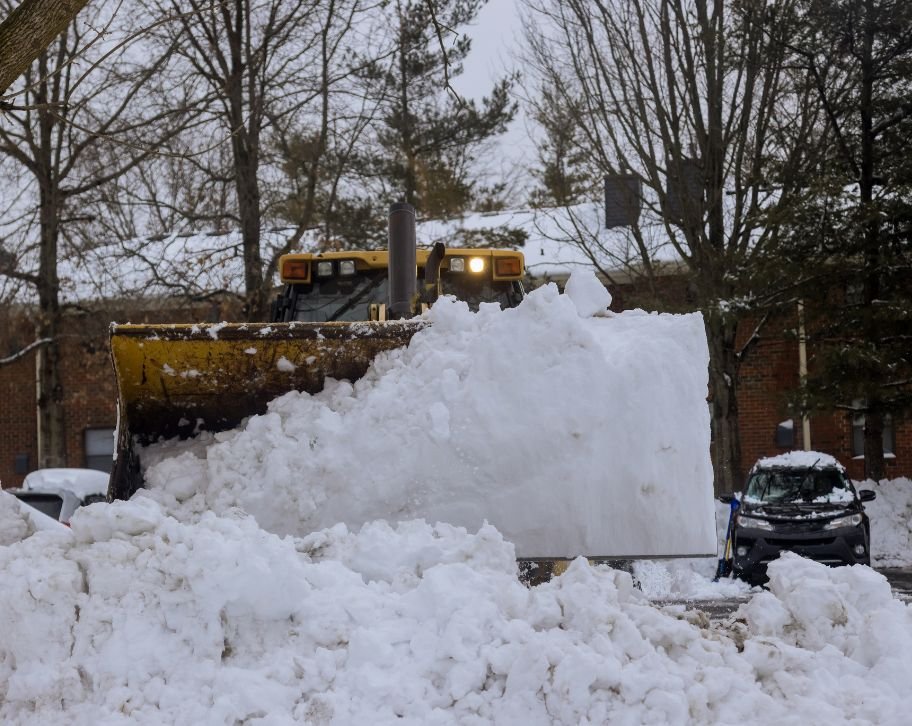
Parked cars make commercial snow removal harder because they block the open space equipment needs to clear snow in a single pass. A plow or pusher needs room to turn, back up, and push snow toward a storage area, and a lot full of vehicles cuts that room down to narrow strips between bumpers. Snow that can’t be pushed clear gets left behind tires and along curbs, where it compacts under foot traffic and freezes into ice by the next morning.
The problem grows worse on properties with steady vehicle turnover during business hours. Every time a car leaves and a new one parks, the crew’s plan for that space changes, slowing the whole job down. Missed spots near vehicles are often where slip-and-fall incidents happen, which raises the property owner’s liability exposure. A lot with parked cars simply cannot be cleared with the same speed or method as an open field.
Property managers can plan snow removal around parked cars by starting with a pre-season site assessment, clear trigger depths, and a communication plan that tells everyone what to expect before snow falls. A trigger depth is the snow accumulation level, often around one inch, that starts plowing before it packs down. Setting this in writing with a contractor removes the guesswork of when crews show up, and it gives property managers a benchmark to check service against. Priority zone clearing works alongside this, with main entrances and primary parking rows cleared first since these areas see the most foot and vehicle traffic during the day.
During long storms, how to time snow plowing, rather than waiting for one big cleanup, stops snow from packing down around tires and door panels. This method also keeps main lanes open so vehicles can still get in and out mid-storm. Good planning combines this operational rhythm with clear rules for parking users, which the next two points cover in more detail.
Notification and parking schedules give vehicle owners a clear window to act before crews arrive. Property managers should things to mark ahead of major snow events, using email, text messages, or posted signs near entrances. Where the property layout allows, setting up a temporary parking zone lets contractors clear full rows without stopping to work around a single car. This small step often shaves real time off a service visit.
not decide them on the fly during a storm. Atlantic Hardscape and Concrete structures its pre-season snow removal contract around custom trigger depths and site assessments, clearing main entrances and primary parking rows first when business hours bring the most vehicle traffic. Strategic snow stacking is planned too, so piled snow lands in spots that don’t eat into usable parking or block sightlines near driveways.
The equipment that keeps parked vehicles safe during plowing depends on how tight the space is between cars and how much room the crew has to maneuver. snow plowing vs snow blowing of snow fast, but they need wide, open lanes to do it safely, which makes them a poor match for rows packed with vehicles. Compact machines like skid-steer loaders and smaller snow pushers turn tighter and clear narrow rows with less risk of contact, though they do ask more of the operator’s skill and attention.
For corners, steps, and the tight gaps between bumpers where no machine can safely fit, safe snow shoveling and snow blowing fill the gap. These methods take more time and labour, but they remove the risk of metal-on-metal contact completely. Many contractors run a mixed approach, deploying larger equipment on open sections of the lot and switching to smaller tools once they reach rows with parked cars.
Choosing the right tool for each section of a lot comes down to matching the equipment to the space available and the vehicles around it.
Method | Best for | Vehicle safety risk |
|---|---|---|
Large plow | Open lots, no cars | Higher |
Compact skid-steer/pusher | Tight rows between cars | Moderate |
Snow shoveling | Corners, steps, walkways | Low |
Snow blowing | Small pockets near vehicles | Low |
Contractors handle liability and damage near parked cars through verified insurance coverage, documented service visits, and operator training on equipment settings. Before hiring anyone, property managers should ask for proof of liability insurance and confirm the coverage limits match the property’s size and vehicle exposure. Time-stamped records of each plowing and de-icing visit give both sides something concrete to point to if a dispute over a slip-and-fall or a scraped bumper comes up later.
On the operational side, trained crews adjust blade angles and skid settings to reduce contact risk, and they mark before snowplow arrives hazards before the season starts. This preparation matters because a dented fender or a fall on unmarked ice can turn into a costly claim fast. Property managers who confirm these practices upfront save themselves headaches once the snow starts flying.
A snow plowing contracts work should spell out trigger depths, snow stacking locations, notification procedures, and response times in plain language, not vague promises. Vague terms like “prompt service” leave too much open to interpretation once a storm hits at 2 a.m. Contracts should also state how the crew will handle parked vehicles, including what happens if a car blocks a section scheduled for clearing.
prebook snow removal services ahead of the first snowfall carries real practical value too. Locking in a contractor before the winter rush means a property avoids service gaps during the storms when every crew in the region is stretched thin.
A short checklist helps property managers compare quotes and confirm nothing important got left out of the fine print.
Clear trigger depth and response time
Defined snow stacking zones
Documented visit logs and time stamps
Insurance and liability coverage confirmed
Communication plan for vehicle relocation notices
Parking lot layout affects snow removal cost because tight rows, poor markings, and a high volume of parked cars all slow down equipment and raise labour hours. An open lot with clear lines lets a plow move in long, steady passes, while a lot packed with vehicles forces the crew to stop, reposition, and sometimes switch equipment mid-job. That extra time and care shows up directly on the invoice.
Coordinating with tenants or customers to move cars out of problem zones during major storms can cut this cost noticeably. Fewer obstacles mean fewer passes, less labour, and a faster job overall, which is one of the simplest ways a property owner can keep winter maintenance bills in check.
Pre-season site assessments and clear trigger depths give contractors a plan before the first storm, reducing guesswork and missed spots.
Notification systems and designated temporary parking zones let crews clear full sections instead of working around scattered vehicles all day.
Compact equipment, hand shoveling, and snow blowing protect cars in tight rows where large plows cannot safely operate.
Documented service visits, verified insurance, and trained operators limit the property owner’s exposure if a slip-and-fall or vehicle damage claim comes up.
Lot layout and vehicle count directly affect pricing, so coordinating vehicle relocation during major storms can lower costs.
Towing depends on the property’s own parking policy and local bylaws, not on the snow removal contractor alone. A contractor can flag blocked areas, but enforcement needs clear parking agreements and posted signage that vehicle owners have already agreed to follow.
Liability for equipment damage usually falls under the contractor’s own insurance, which is why verifying coverage before signing a contract matters. Time-stamped service records and a quick post-service inspection help both sides resolve the claim faster and with less back-and-forth.
Most commercial lots use a trigger depth around one inch of accumulation, especially during business hours when traffic is heaviest. During long storms, crews often plow on a clear snow during snowfall instead of waiting, which stops snow from packing into ice.
Yes, municipal bylaws in the Fredericton area typically require snow and ice to be cleared from parking lots and walkways within a set number of hours after a snowfall ends. Property owners should check current local bylaws directly, since exact timeframes can change.
A strict requirement isn’t always practical, so advance notice paired with a designated temporary parking area usually works better than a hard rule. Commercial properties can still include vehicle relocation terms in lease or parking agreements for added clarity.
Rock salt can affect a vehicle’s undercarriage over repeated exposure, so some properties choose sanding vs salting instead. It’s worth asking your snow removal provider directly about which de-icing product they use and if alternatives are available for sensitive areas.
GET STARTED
Your dream space is within reach as we work together from detailed 3-D designs to the final custom build. Our process is both professional and exciting, and we look forward to taking this journey with you.
Contact
34 Jackstraw Court, Fredericton, NB, Canada, New Brunswick
