Why do some driveways sail through winter without a scratch, while others end up with cracked edges, torn-up sod, or a mailbox lying in the snowbank? Is it luck, or does it come down to what homeowners do before the first snowplow ever touches their property? Things to mark before your snowplow arrives make all the difference between a clean, damage-free season and a spring full of repair bills.
Marking your property means flagging boundaries, hazards, and delicate features so a plow operator can see them even under a foot of snow. Atlantic Hardscape and Concrete, a hardscaping and snow removal contractor that has worked across Fredericton, New Brunswick, for over 15 years, sees the same damage patterns every year on properties that skipped this step. This guide walks through 10 specific things every homeowner, property manager, or developer should mark before winter sets in, along with tips on communicating those markings to your snow removal crew.
Start gathering flags and stakes now, since preparing your property before the snow starts falling saves headaches all season long.
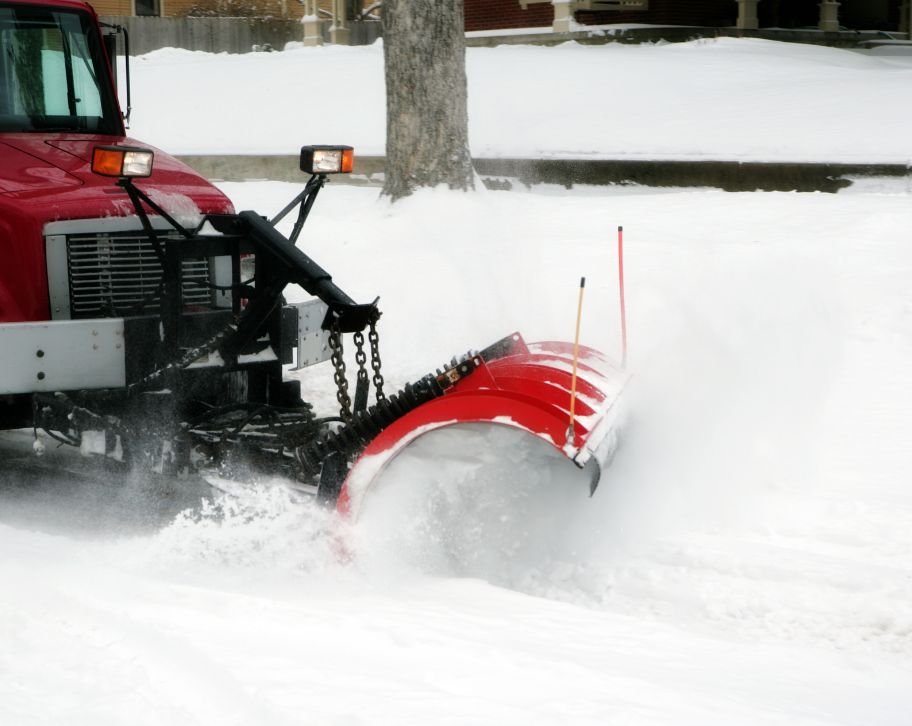
Marking your property before your snow plow arrives means the difference between a smooth, damage-free season and paying for repairs come spring. Snow cover hides driveway edges, hardscape features, and underground hazards, so a plow operator working in the dark or during a heavy squall has little to go on without clear markers. Fredericton typically sees more than 250 cm of snow each winter, so your property gets plowed dozens of times between November and April. Every pass is a chance for a blade to catch an edge, chip a paver, or drag across an unmarked lawn. Taking an hour in the fall to flag your property properly pays off every time the plow comes through.
Every property has its own set of vulnerable spots, and the ten items below cover the most common trouble spots homeowners and property managers face across Fredericton and the surrounding region. Each one gets flagged, staked, or documented differently, but the goal stays the same: a clear picture for your plow operator of what to clear and what to avoid. This checklist draws on years of both building hardscape features and running plows through winter conditions, so the advice below reflects what actually works on the ground.
Driveway edges disappear fast under snow, and that is exactly when a plow blade can drift onto grass, gravel shoulders, or garden beds. Place reflective stakes along both sides at regular intervals, tall enough to show above typical snow depth. On curved or irregular driveways, add extra markers at turning points so the operator can follow the curve safely. This simple step keeps every pass exactly where it belongs.
paver driveways, walkways, retaining walls, and decorative stone borders need their own flags before the first freeze, since a blade edge can chip or lift these surfaces in seconds. Mark the outer edge of every hardscape feature clearly and tell your contractor which areas use pavers rather than poured concrete. Crews at Atlantic Hardscape and Concrete are trained in both hardscape construction and snow removal, so they know the blade angles and skid settings that protect these surfaces instead of scraping them.
Underground gas lines, electrical conduits, water mains, and telecommunications cables often run closer to the surface than owners expect. Contact your local utility locating service before the ground freezes and have these lines flagged with bright, weatherproof markers. A damaged gas line creates a fire risk, a cut electrical line creates a shock hazard, and a severed water main means an expensive repair. This is one marking step that should never get skipped.
Catch basins, storm drains, and sump pump discharge points need clear markers so snow never gets piled directly on top of them. blocked drainage traps meltwater during warm spells, and that water can refreeze into ice dams that crack pavement or flood low areas. Mark these features with bright stakes or paint before the season starts, and remind your crew to leave a clear path around them.
Sprinkler heads sit just below lawn level, which makes them almost impossible to spot once a few centimetres of snow settle in. Flag every head and irrigation valve box before the ground freezes, ideally using the same flags from the growing season. Once buried, an unmarked sprinkler head is an easy target for a plow blade, and replacing a cracked head is a cost that is simple to avoid.
Speed bumps in commercial lots and low branches hanging over driveways both turn into hidden hazards once snow builds up around them. Flag speed bumps clearly at both ends so plow operators can slow down instead of striking them at full speed. Trim back or mark any branches hanging within reach of a plow truck or loader, since a heavy limb can damage equipment just as easily as equipment can damage the tree.
Mailboxes take more plow damage than almost any other roadside feature, especially older wooden posts never built to handle the weight of plowed snow. Place a reflective marker beside the post, set back far enough that the blade will not catch it during a pass. If your post already leans or shows rot, replace or reinforce it before winter rather than hoping it survives one more season. A sturdy, well-marked post saves you a cold trip to fix a broken mailbox.
Vehicles parked in the wrong spot on plowing day cause missed passes and sometimes a scraped bumper or door. Work out a clear, written agreement with your contractor about where vehicles should sit on service days, whether that means the street, a driveway pad, or a specific corner of a lot. Confirm this agreement every fall, since parking needs can change from one season to the next.
Gates, fences, and other access points need clear marking so a crew knows how to reach every part of your property without guessing. Mark the location of each gate and tell your contractor whether it should be left open, closed, or unlocked before arrival. For properties with narrow gaps between fence lines and driveways, flag those tight spots so equipment can pass through without catching a post. Clear access saves time and protects your fencing.
Cracked, patched, or recently repaired concrete needs a lighter touch than the rest of your driveway, and a plow operator has no way of knowing which sections are fragile unless told. Flag any recent repair work or visible cracks so the crew can use a gentler pass in those spots. Atlantic Hardscape and Concrete recommends pre-winter inspections starting in September or October, since catching damage early means it gets sealed before freeze-thaw cycles turn a small crack into a bigger repair.
Turning your markings into an effective plan starts with putting everything in writing before the season starts, rather than explaining it verbally on the first snowy morning. A simple diagram works best, and it should cover every item from the list above so nothing gets missed once snow starts falling. The company offers documentation-focused service for commercial clients, including time-stamped visit records that support liability protection if a dispute ever comes up.
Driveway boundaries, hardscape edges, and turning points marked with their stake or flag colours.
Utility lines, drainage features, and sprinkler heads with their exact locations noted clearly.
Gates, access points, and any no-parking zones agreed on with your contractor.
Share this diagram with your contractor each fall and keep a copy for yourself, since it becomes your reference point if anything looks off after a visit.
Late summer through early fall is the best time to mark your property and lock in a snow removal contract, ideally by September or October before Fredericton’s first snowfall. Waiting until the first storm hits often means longer wait times, fewer contractor options, and markers installed in a rush. Booking early also gives you time to fix any hardscape damage found during a pre-winter inspection before it worsens under snow and ice.
Mark driveway edges, hardscape features, and hidden hazards before the first snowfall to keep your plow operator on track and your property intact.
Underground utility lines, drainage features, and sprinkler heads need professional locating and bright, snow-proof markers so crews know exactly where to stay clear.
A simple written diagram of your property prevents misunderstandings with your snow removal crew and gives you a record if disputes come up later.
Booking your snow removal contract early and checking your property after each visit protects your investment through the whole winter season.
Take photos of the damage right away and report it to your contractor as soon as possible, ideally the same day. Walking your property after every visit and reporting issues quickly makes repairs and any claims far easier to resolve.
Check and refresh your markers every fall rather than relying on last year’s setup. Stakes shift, flags fade, and posts can loosen or rot over a season, so a quick walk-through before winter keeps every marker doing its job.
Paint works well in fall before the ground freezes, but it disappears once snow covers the surface. Pair painted lines with reflective stakes so your markers stay visible through heavy snowfall and low-light plowing conditions.
Place markers close enough to clearly show the driveway’s true edge, but far enough back that a plow blade will not strike them directly. A gap of a few feet on each side usually works well for most residential driveways.
Unmarked hazards get struck once buried under snow, since the operator has no way of knowing they are there. A cracked sprinkler head, a chipped speed bump, or a damaged drain are common results of skipping this simple step.
Commercial lots need marked no-parking zones, loading areas, and pedestrian paths, along with written instructions covering higher traffic and liability exposure. Homes usually need fewer markers, but the same core idea, clear visibility, applies to both property types.
Contact your local utility locating service, sometimes known as a call-before-you-dig program, to arrange a free or low-cost marking visit. Book this well before the ground freezes so lines are flagged and ready for winter.
GET STARTED
Your dream space is within reach as we work together from detailed 3-D designs to the final custom build. Our process is both professional and exciting, and we look forward to taking this journey with you.
Contact
34 Jackstraw Court, Fredericton, NB, Canada, New Brunswick
